Lisbon's Historic Townhouse with Mosaic-Tiled Facade Restored
When a centuries-old townhouse in the heart of Lisbon recently emerged from scaffolding with its tiled facade gleaming once again, the news resonated far beyond Portugal. The painstaking restoration of the mosaic-clad exterior represents a quiet triumph for cultural preservation, reviving a streetscape that had been hidden beneath grime, structural damage and decades of urban decay. For design enthusiasts who follow heritage projects through outlets that preview emerging work, such as the Design Miami Preview coverage, this restoration offers a striking contrast between cutting-edge design and the patient craft of conservation.
Lisbon's relationship with ceramic tiles stretches back to the Moorish period and reached its visual peak during the 18th and 19th centuries, when Portuguese builders covered churches, palaces and private homes in dazzling azulejos. The mosaic-tiled townhouse, located in the Príncipe Real district, features the geometric and botanical patterns typical of the late Pombaline style, an architectural vocabulary that emerged after the catastrophic 1755 earthquake. Generations of passers-by had walked past the facade without realising what lay hidden beneath layers of pollution and failed repairs.
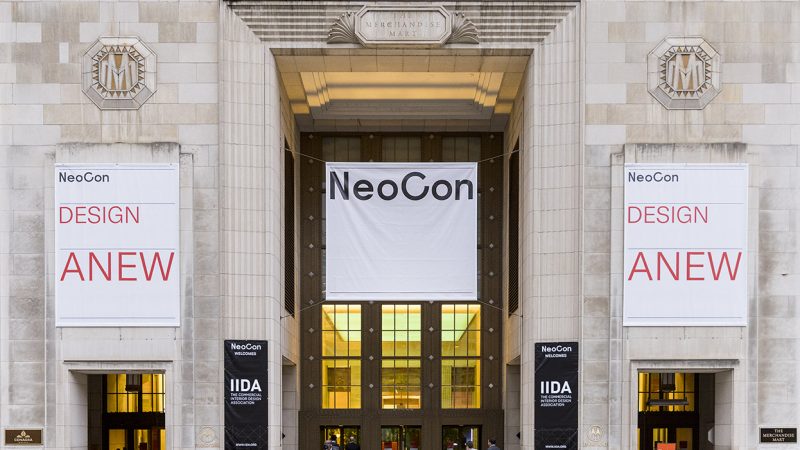
The restoration arrives at a moment when heritage conservation is being reassessed across the design industry. Architects, interior designers and product developers who gather at trade shows such as Maison & Objet and NeoCon increasingly discuss how historical craftsmanship informs contemporary practice. The Lisbon project is a reminder that innovation often depends on understanding what came before.
For readers in Australia, where heritage restoration has become a serious cultural and commercial pursuit, the Lisbon project carries particular resonance. Australian cities such as Sydney, Melbourne and Adelaide have invested heavily in protecting their Victorian and Federation-era streetscapes, and Portuguese-style mosaic tiles are now appearing in boutique renovations from Fitzroy to Fremantle.
A Storied Past Beneath the Tiles
The townhouse dates from the early 1800s, built when Lisbon was rebuilding its neighbourhoods with fire-resistant construction methods and ornamental flourishes designed to project prosperity. The facade originally featured approximately 240 individual azulejo panels, each hand-glazed and kiln-fired, arranged in a symmetrical composition that framed the entrance and wrapped around the upper storeys. Historical records show the building was commissioned by a merchant family with ties to the Portuguese spice trade, and the choice of indigo, ochre and cream motifs was intended to echo the colours of the colonial Atlantic.
By the mid-20th century, much of the original tilework had been damaged, painted, or lost entirely. Salt erosion from the nearby Tagus estuary, along with inappropriate cement repairs carried out during the 1960s, accelerated the deterioration. When restoration specialists began their survey, they found that less than half of the original panels remained intact, with the rest reduced to fragments or replaced with cheap mid-century substitutes that bore no relation to the original palette or pattern.
The decision to restore rather than replace reflected a deeper commitment to authenticity. Project leaders consulted archives at the Museu Nacional do Azulejo, cross-referencing historical photographs and 19th-century catalogues from manufacturers including Sacarrão, Viúva Lamego and Sant'Anna. The painstaking research phase took nearly two years, a timeline familiar to anyone who has navigated the Heritage Act of New South Wales or the Victorian Heritage Register when working on listed buildings in Australia.
Comparing Approaches Old and New
Heritage restoration is rarely a single methodology. The Lisbon team blended traditional craftsmanship with modern diagnostic tools, a hybrid approach that offers useful lessons for projects everywhere.
| Aspect |
Traditional Approach |
Modern Hybrid Approach |
| Initial Survey |
Visual inspection and archival research |
3D scanning, thermal imaging, photographic mapping |
| Tile Replacement |
Salvage from demolished buildings |
Bespoke reproduction by specialised kilns |
| Structural Repair |
Lime mortars and timber |
Compatible lime mortars plus discreet stainless anchoring |
| Colour Matching |
By eye and trial panels |
Spectrophotometric analysis plus traditional glazing |
| Documentation |
Hand-drawn plans |
Digital archiving with cloud-based records |
The blend matters because pure traditionalism can miss hidden problems, while overly modern techniques can destroy what they aim to save. In Australia, the same tension plays out when working on Federation-era facades in suburbs like Paddington or Hawthorn, where owners must satisfy both aesthetic goals and council heritage overlays that govern what materials and techniques may be used.
Craftspeople, Kilns and Colour Matching
Restoring thousands of individual mosaic elements requires specialised skills. The Lisbon project engaged ceramicists from the Estremoz and Aveiro regions, both renowned for preserving artisanal techniques that have otherwise faded from commercial production. Each replacement tile was hand-pressed, painted with mineral oxides and fired in wood-burning kilns at temperatures approaching 900 degrees Celsius.
Colour matching proved especially demanding. The original tiles had developed a soft patina over two centuries, a quality that newly fired replacements could not easily replicate. The conservation team experimented with controlled ageing, gently washing new tiles with weak acid solutions and exposing them to ultraviolet light to accelerate tonal shifts. The process produced tiles carrying a softer blend of indigo and cream that now sits comfortably alongside the surviving historic panels.
Funding for the project came from a combination of municipal grants, private philanthropy and a small contribution from the European Heritage Fund. Similar funding models exist in Australia through the Heritage Grants Program administered by the Department of Climate Change, Energy, the Environment and Water, which has supported restorations ranging from Victorian terraces in Carlton to industrial sites in Fremantle.
Why Australian Designers Are Paying Attention
The Lisbon restoration has attracted attention from Australian designers for several practical reasons. Portuguese tiles are increasingly specified in high-end residential and hospitality projects across Sydney and Melbourne, where importers have brought brands such as Love Tiles and Margres to local showrooms. Local architects who attended a recent masterclass series at the Sydney Design School reported strong interest in heritage-inspired ceramic finishes for apartment buildings in suburbs like Surry Hills and Barangaroo.
There are also regulatory parallels worth noting. In New South Wales, the Heritage Council assesses applications for work on items of state heritage significance, often demanding that restoration methods mirror original construction techniques. The Lisbon team faced comparable scrutiny, navigating approvals from Portugal's Direcção-Geral do Património Cultural before any tile was touched.
Beyond regulation, the cultural appetite is real. Walk through any weekend design fair in Melbourne's Cremorne or browse the programming at the Australian Centre for Contemporary Art, and you will find conversations about craft, materiality and place. Restoration projects like the Lisbon townhouse feed into those conversations, offering case studies that designers can dissect, argue with and learn from. Heritage cinema and cultural storytelling also play a role, with pieces exploring historical drama often revealing the daily rhythms that older buildings were designed to host.
A Renewed Streetscape and Its Moving Future
The fully cleaned facade now anchors its streetscape, its restored tiles catching the Atlantic light in ways that the building's neighbours cannot match. Pedestrians stop. Photographers arrive at golden hour. Local cafés report increased foot traffic, a reminder that thoughtful restoration strengthens commercial life as well as cultural identity.
For the international design community, the project sets a quiet benchmark. It shows what becomes possible when municipal authorities, craftspeople and funders align around a shared vision of authenticity. It is a benchmark that applies equally to the Victorian terraces of Melbourne, the Federation bungalows of Perth and the Art Deco apartment blocks of Brisbane, all of which face similar decisions about which surfaces to preserve and how to layer contemporary life on top of inherited craft.
If the lessons matter, the work itself should be visited, photographed, studied and shared. Follow design coverage from international trade shows and design fairs, support the local projects that protect the tiled, timber and stone surfaces of Australia's own heritage streets, and bring the same patient craft the restoration team applied to that Lisbon facade to every project you touch.