A Mid-Century Modern Revival: The Eames-Inspired Desk Chair
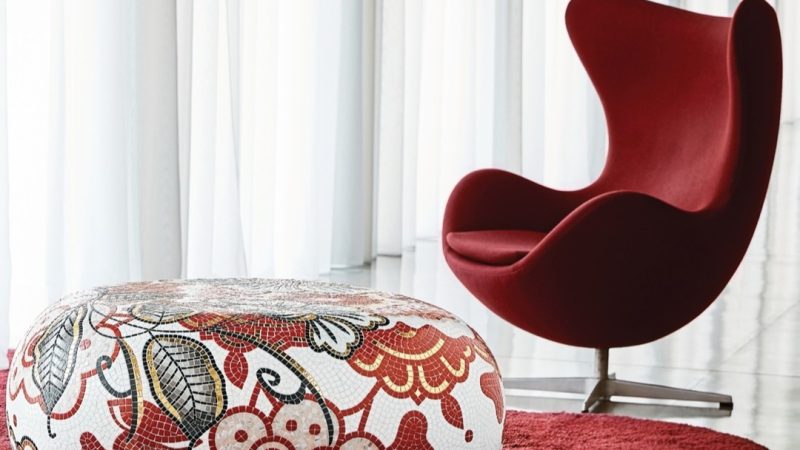
The return of mid-century modern furniture has given the home office a more considered visual language. Among the most recognisable pieces is the Eames-inspired desk chair: a compact, sculptural seat that combines a shaped back, gentle curves, timber accents and the practical movement expected from contemporary office furniture. It brings a residential character to the workstation without looking like a traditional dining chair placed behind a desk.
For Australian interiors, this revival is especially relevant. Many work areas now occupy spare bedrooms, living zones or apartment corners rather than dedicated corporate offices. A well-designed task chair needs to support long periods of computer use while fitting comfortably alongside Australian hardwood floors, compact city apartments and the relaxed material palette found in coastal and contemporary homes.
The Design Language Behind The Revival
The Eames name is closely associated with Charles and Ray Eames, whose work explored the relationship between industrial production, comfort and everyday living. Their chairs often used moulded shells, plywood, aluminium and leather in ways that made advanced manufacturing feel approachable. The result was furniture with a strong silhouette but little visual heaviness.
An Eames-inspired desk chair borrows this balance rather than copying one exact historic model. Typical features include a curved backrest, a supportive seat pan, exposed timber or polished metal, and a five-star base with castors. Some designs reference the moulded plywood lounge chair, while others take cues from the Eames Aluminium Group, with a suspended upholstered panel stretched across a frame.
The best contemporary interpretations understand proportion. A chair can have a recognisable mid-century outline without becoming a period replica. Slim arms, a relatively low back, tapered detailing and warm walnut or oak tones help create a refined look. Excessive chrome, oversized padding or decorative stitching can push the design towards generic executive furniture instead.
Comfort Is More Than A Curved Back
Visual resemblance is only the beginning. A desk chair intended for daily work should provide adjustable seat height, smooth castors, a stable five-star base and enough support for the user’s lower back. A tilt mechanism can encourage movement during the day, while adjustable armrests help position the shoulders comfortably in relation to a keyboard and screen.
Seat depth deserves close attention. A chair with a deep cushion may look luxurious but can prevent shorter users from sitting with their feet flat on the floor. A compact seat is often more successful in an apartment office or multipurpose room. Upholstery also affects comfort: breathable fabric suits warm Australian summers, while leather or vinyl may be easier to wipe clean but can feel warmer in Sydney, Brisbane or Perth.
The desk matters as much as the chair. A stylish seat cannot correct a monitor that is too low or a work surface that forces the elbows upwards. Safe Work Australia’s guidance on workstation design emphasises neutral postures, suitable equipment and the adjustment of furniture to the individual. These principles apply in a home office as much as in a commercial fit-out, particularly when the same chair is used for full workdays.
Selecting Materials For Australian Interiors
Timber is one of the strongest visual links between a contemporary task chair and classic mid-century furniture. Walnut creates a deep, sophisticated contrast with pale walls, while oak, ash and Australian blackwood produce a lighter effect. For a restrained interior, a timber shell with charcoal upholstery can anchor a room without competing with artwork or shelving.
Australian conditions make material selection practical as well as aesthetic. Direct sun through north- or west-facing windows can fade fabrics and timber finishes over time, so a chair positioned near glass may need UV protection, blinds or a less sensitive upholstery colour. In coastal areas, salty air can affect poorly finished metal components, making durable powder-coated or carefully treated surfaces a sensible choice.
Sustainability is another consideration in the local market. Look for replaceable castors, repairable mechanisms, removable upholstery and clearly stated material information. Responsible Wood certification can help identify timber sourced through certified Australian forestry schemes, although buyers should still check the specific product documentation. A chair designed for maintenance is usually a better long-term purchase than one that must be discarded when a small mechanism fails.
| Chair Style |
Visual Character |
Ergonomic Potential |
Best Australian Setting |
Points To Check |
| Moulded plywood-inspired task chair |
Warm, sculptural and distinctly mid-century |
Moderate to high when seat height and tilt are adjustable |
Home offices with timber floors and neutral walls |
Back support, shell flex and seat depth |
| Upholstered shell chair |
Softer and more adaptable to contemporary interiors |
High if lumbar support and arm adjustments are included |
Apartments, bedrooms and shared living spaces |
Fabric breathability and cleaning instructions |
| Aluminium-frame executive chair |
Sleek, light and closely related to classic modernist office furniture |
High with a quality tilt mechanism |
Formal studies and design-led workrooms |
Heat retention, frame finish and warranty |
| Compact armless swivel chair |
Minimal and visually unobtrusive |
Moderate, depending on back shape |
Small Melbourne or Sydney apartment workstations |
Shoulder support and stability |
| Reproduction lounge-style desk chair |
Luxurious, broad and statement-making |
Variable; often better for shorter sessions |
Reading rooms or occasional work areas |
Upright posture, desk clearance and castor quality |
Making A Mid-Century Chair Work At Home
Scale is critical in Australian homes, where a workspace may need to share its footprint with guests, exercise equipment or household storage. In a narrow terrace or apartment, an armless swivel chair can slide beneath a desk and preserve a clear walkway. A chair with a lighter frame can also prevent a small room from feeling crowded, especially when paired with a wall-mounted desk.
In larger homes, a statement chair can define a dedicated study. Pairing it with a simple timber desk, a directional lamp and low shelving keeps the room coherent. Avoid combining too many recognisable mid-century pieces in one area. One curved task chair can provide the period reference; the remaining furniture can be contemporary, vintage or distinctly Australian.
Colour offers an easy way to connect the chair with its surroundings. Olive, rust, tobacco and muted blue work naturally with walnut and teak-inspired finishes, while black upholstery gives a sharper architectural edge. In coastal homes, pale oak, woven textiles and off-white walls can soften the office without making it look like a themed retreat. Indoor plants, linen curtains and ceramics from local makers add texture without overwhelming the chair’s clean geometry.
How To Judge Quality In The Local Market
Australian buyers will encounter everything from licensed historic designs to loosely inspired imports. An authentic Eames product is generally sold through an authorised manufacturer or dealer and should include clear provenance, product specifications and warranty information. A chair described simply as “Eames style” or “inspired by mid-century design” is not necessarily poor quality, but its construction and performance must be assessed independently of the reference.
Test the chair in person where possible. Sit with your back against the support, place both feet on the floor and check whether the edge of the seat presses behind the knees. Move through the tilt range and listen for unusual clicking or looseness. Inspect the underside for the mechanism, fasteners and base construction rather than judging the chair by its upholstery alone.
Online purchasing requires similar care. Confirm the dimensions, maximum user weight, assembly requirements, return conditions and delivery access. Australian consumer law provides guarantees that products will be of acceptable quality, fit for a disclosed purpose and match their description, but individual retailers may have different procedures for returns and warranty claims. Check whether replacement parts are available locally and whether the quoted price includes GST, delivery and assembly.
A chair used for paid work may also be relevant to business expenses, although tax treatment depends on individual circumstances and current Australian Taxation Office rules. Keeping the invoice and product details is sensible. For a commercial studio, workplace or client-facing practice, procurement should also consider relevant workplace health and safety duties rather than selecting furniture on appearance alone.
A Thoughtful Revival For Everyday Work
The appeal of this furniture lies in its ability to bridge domestic comfort and professional function. It can sit beside a vintage record cabinet, a contemporary sit-stand desk or a collection of Australian design objects without looking out of place. The strongest versions feel calm and edited, with enough mechanical flexibility to support modern work habits.
A successful choice will have a clear silhouette, reliable adjustment and materials suited to the room’s light, climate and level of use. It should look good from behind as well as from the front, particularly when positioned in an open-plan living area. The chair becomes part of the interior rather than an item that needs to be hidden after office hours.
Explore Eames-inspired task chairs through the same lens used for any significant design purchase: examine the construction, test the ergonomics, compare the warranty and consider how the piece will age. With the right proportions and a durable finish, this mid-century modern revival can give an Australian workspace lasting character without sacrificing the comfort required for contemporary life.