Recycled aluminium for outdoor dining furniture
Outdoor dining sets have to work hard in spaces that rarely stay still. A balcony table meets salt, shade and sudden rain; a back patio takes summer sun and winter evenings; a restaurant courtyard sees constant movement. The frame must feel light enough to rearrange, strong enough for long lunches and finished well enough to belong beside good architecture. That combination of usability and visual calm is driving renewed interest in recycled aluminium.
Innovations in recycled aluminium furniture are changing what this material can offer. Post-consumer cans, production offcuts and other scrap can be sorted, shredded and remelted for new extrusions or castings. Because aluminium does not change chemically when recycled, a well-made recycled frame can deliver the same light weight, stiffness and corrosion resistance expected of a primary-metal equivalent. The advance lies in applying that circular feedstock with tighter alloy control, traceable sourcing and smarter product design.
The visual result is not limited to utilitarian stackable chairs. Designers are using recycled aluminium to create slender café tables, sculptural lounge seating and modular systems that move between a compact city courtyard and a larger entertaining area. Sections can look delicate without becoming flimsy, while hollow profiles and cast joints help control weight. It is a useful lesson in sustainable design: reducing material through form can be as valuable as specifying a high recycled percentage.
For Australian buyers, those ideas must meet a demanding climate and a practical retail culture. Sydney’s salt-laden coastal air, Melbourne’s changeable weather and compact courtyards, and Brisbane’s humidity and strong UV all place different demands on an outdoor set. The patio, deck, courtyard or alfresco area may be the family’s extra living room, with an outdoor table doing duty for breakfast, a barbecue catch-up and relaxed weekend dinners.
From scrap to dependable structure
Recycled aluminium begins with disciplined sorting. Post-industrial swarf arrives relatively clean, while post-consumer material can contain coatings, inks and mixed alloys. Furnace operators blend these streams to the required composition, then cast or extrude furniture-grade billets. Extrusion suits legs, rails and frames; casting allows complex curves and integrated feet. Quality checks for strength, fatigue and surface consistency are essential, because recycled status should never be used to excuse a weak joint or inconsistent finish.
Alloy choice affects how a set handles coastal conditions. Corrosion-resistant grades used for architectural applications retain their strength without the rusting behaviour of ordinary steel, while careful pretreatment helps coatings bond. Powder coating gives designers a broad colour range and a tough, even skin; anodising creates a more metallic surface with good UV stability. Neither finish is maintenance-free, but both can protect the underlying metal when applied and maintained properly.
New fabrication methods also make repair easier. Laser-cut components can accept replaceable glides, feet and fastening plates, while concealed screws let a damaged chair be serviced rather than discarded. Digital modelling helps manufacturers balance strength with tube diameter, reducing excess metal without compromising stability. A clean joint can also make disassembly simpler, preparing the set for eventual resale or another life rather than sending mixed materials straight to waste.
Slimmer frames and more comfortable details
Lighter frames have opened the door to finer proportions. An aluminium dining table can carry a generous top on a narrow pedestal, creating more leg room around a table placed on a tight balcony. Designers are also revisiting cantilever bases, folding mechanisms and offset supports. Because the material’s strength-to-weight ratio is high, a compact base can look visually light, although wind stability still needs careful engineering, especially on exposed coastal terraces.
Comfort is receiving similar attention. Curved backrests, gently pitched seats and wider arm supports make long lunches easier, while slatted surfaces allow water to drain instead of pooling. Quick-dry foam and replaceable seat pads suit outdoor dining sets that need to move between meals and store quickly. Textured powder coats can add grip and hide minor marks, and some collections offer coordinated dining chairs, benches and occasional tables as one modular family.
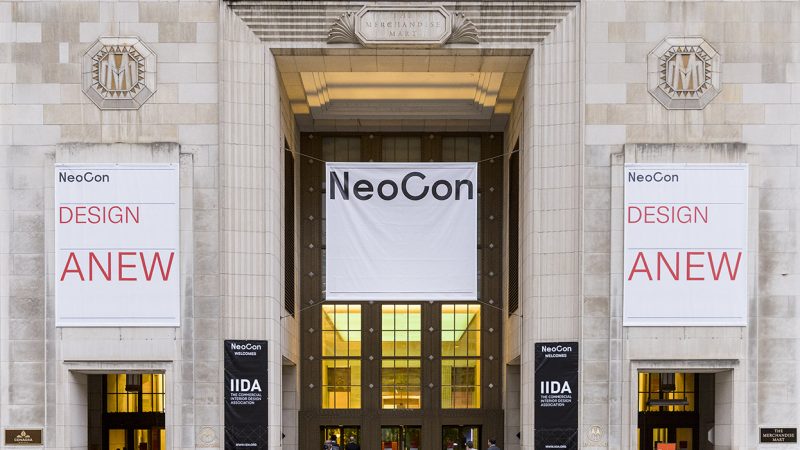
At design events such as Salone del Mobile, Maison & Objet and NeoCon, outdoor furniture increasingly shares the stage with indoor pieces, blurring the boundary between a terrace and a living room. The conversation around responsible materials has matured: recycled aluminium is now one tool among many, alongside low-impact timber, bio-based fabrics and durable components. What stands out is the combination of circular supply, architectural appearance and a product that can be maintained over many seasons.
Weather, salt and Australian routines
Australia makes the choice of material especially consequential. Sydney’s harbour and ocean-side suburbs bring salt spray that can settle in joints and scratches. Melbourne’s rapid weather changes test coatings through heat, cold and rain, while its compact homes favour tables that can be stored away. Brisbane combines humidity with fierce sunlight, which can degrade fabrics and dull inferior finishes. Inland areas still face dust, hard UV and large day-night temperature shifts.
| Material |
Character outdoors |
Advantages |
Common trade-offs |
| Recycled aluminium |
Light, clean and modern |
Low weight; corrosion resistance; flexible design; recyclable again |
Coatings need care; dents show; verify the alloy and recycled-content claims |
| Powder-coated steel |
Sturdy and familiar |
High stiffness; broad colour choice; often economical |
Heavy; chipped coatings can expose steel to rust; repairs can be difficult |
| Teak |
Warm and natural |
Pleasant to touch; stable when well maintained |
Requires cleaning and oiling; colour changes; verify timber sourcing |
| Moulded resin |
Colourful and seamless |
Water-resistant; easy to clean |
Can fade or soften with UV and heat; limited reparability |
The comparison shows why recycled aluminium occupies a useful middle ground for Australian outdoor dining. It is lighter than steel, needs no timber oiling and can carry slender forms, yet it is not immune to coastal exposure. Anodised or powder-coated aluminium performs best when the supplier has specified the alloy, pretreatment and coating system for the intended environment rather than treating every outdoor use as identical.
A simple care routine protects the investment. Rinse frames after salty days, especially around feet and fasteners, and clean with mild soap and a soft cloth. Avoid abrasive pads that can scratch a coating, and check for chipped areas or loose joints before summer. Store cushions dry, rotate chair positions to reduce uneven fading, and tighten fixings when needed. These habits matter because a durable frame can outlast several cover or cushion replacements.
Repair, resale and circular supply
True circular design reaches beyond recycled feedstock. A manufacturer can design a dining chair with replaceable seat pads, standard screws and separately replaceable feet, then offer spare parts years after launch. Some brands run take-back programmes or work with specialist recyclers to separate aluminium from foam and textiles. A closed loop is not automatic: collection, transport and mixed coatings still create costs, so clear documentation and an actual repair pathway are stronger indicators of circular intent.
Australian purchasing habits reward those details. Shoppers commonly compare chain-store showrooms, independent furniture studios and online ranges, often checking delivery areas, assembly requirements and warranty cover before buying. For a premium set, seeing the finish in daylight and testing the chair matters. The language used around it is familiar—an outdoor area for the deck, a dining set for the patio and an alfresco zone for the barbecue—but the market remains strongly influenced by international collections and European or American design trends.
Commercial buyers apply another layer of scrutiny. Café and hotel terraces in Brisbane, Melbourne and Sydney need chairs that can be stacked, cleaned and replaced individually without replacing an entire floor set. Operators look at frame warranty, powder-coat colour consistency, fire performance for nearby textiles and the availability of spare components. Quantities, lead times and Australian assembly capability can decide a project as much as the design, making local servicing a genuine commercial advantage.
Choose a lasting outdoor dining system
A useful shortlist starts with evidence, not a broad sustainability label. Ask what proportion of the frame is recycled aluminium, whether that content is pre- or post-consumer, and which alloy and surface treatment are used. Check that replacement glides, feet, screws and cushions are available. Then look at joint construction, drainage, wind stability and warranty terms. These questions separate furniture designed for long service from a product with recycled metal used mainly as a marketing claim.
The best set also responds to its setting. Measure the dining zone before choosing a width, leave room for chairs to slide back and consider whether the base can be moved or stored. Near the coast, prioritise marine-grade protection and simple maintenance. In brighter climates, UV-resistant textiles and replaceable pads matter. A restrained aluminium frame can sit comfortably against timber, brick, concrete or rendered walls, bringing a light, architectural line to the space.
Compare recycled aluminium outdoor dining sets from suppliers that document their metal, disclose spare-part options and stand behind the finish, then select the format that suits your patio, courtyard or balcony. Make the table a fixture for everyday meals rather than occasional display furniture, and choose a durable system that can be cleaned, repaired and kept in use for years.