Milan Design Week 2025’s Most Memorable Brera Installations
During Milan Design Week 2025, Brera once again proved why it is one of the most valuable places to experience contemporary design. Rather than concentrating everything inside a trade-fair hall, the district turns courtyards, palazzi, galleries, showrooms and narrow streets into a connected exhibition.
The appeal lies in the contrast. A historic Milanese building may contain an experimental material laboratory, while a familiar furniture showroom presents a quietly refined collection. For visitors from Australia, Brera offers a particularly useful view of the design industry: it shows how products, architecture, lighting and storytelling work together in real urban settings.
Brera’s Historic Fabric Became Part Of The Design
Brera’s temporary installations benefited from the district’s architectural character. Painted façades, stone staircases, tiled courtyards and tall shuttered windows created a rich background for new furniture and large-scale displays. The best projects did not try to hide this context. They used it as part of the visual argument.
This approach felt different from a conventional product launch. Instead of placing a sofa against a neutral wall, designers allowed visitors to move through sequences of rooms. A chair could be viewed beside an old fresco, a lighting system might be suspended beneath a vaulted ceiling, and a material sample could be encountered in a dim passage before opening into a bright courtyard.
The result was highly photogenic without being purely decorative. Brera rewarded slow looking. Details such as joinery, surface texture, shadow and scale became easier to understand because visitors were not rushing along identical exhibition aisles.
For Australian design followers, there is a useful comparison with Melbourne’s heritage warehouses or Sydney’s converted industrial buildings. The difference is density: in Brera, several such experiences sit within a short walk, making the neighbourhood itself part of the programme.
Material Innovation Took Centre Stage
The most compelling installations focused on materials rather than spectacle alone. Recycled composites, bio-based finishes, low-impact textiles, coloured glass, timber and experimental stone appeared throughout the district. Their presentation often included samples, prototypes or working demonstrations, giving visitors a clearer sense of how a concept might move into production.
This emphasis reflects a broader change in interior design. Sustainability is no longer communicated only through a label or a paragraph in a press release. Designers are expected to show where materials come from, how long products might last, whether components can be separated, and how an object may be repaired or reused.
Several installations also demonstrated that responsible design does not have to look rustic. Highly polished surfaces, vivid colour and precise detailing were used alongside recycled or renewable materials. This is important in the Australian market, where clients often want durable finishes that can cope with intense sunlight, outdoor living and heavy everyday use.
Climate matters here. An apartment in Perth or Brisbane may need shading and heat management, while a Melbourne home may prioritise thermal comfort across four seasons. The strongest Milan presentations treated material selection as a practical design decision rather than a branding exercise.
Light And Colour Created The Strongest Atmospheres
Lighting was one of the most effective tools used across Brera. Temporary projects relied on carefully controlled brightness, colour temperature and reflection to guide movement through rooms. Some installations were deliberately subdued, allowing the visitor to notice form gradually; others used saturated colour to create an immediate visual identity.
This theatrical use of light was particularly effective in historic interiors. A narrow room could feel expanded by a continuous glow, while a courtyard became a stage for illuminated furniture or translucent surfaces. The best examples maintained a relationship between the lighting effect and the object being presented. The atmosphere supported the design instead of overwhelming it.
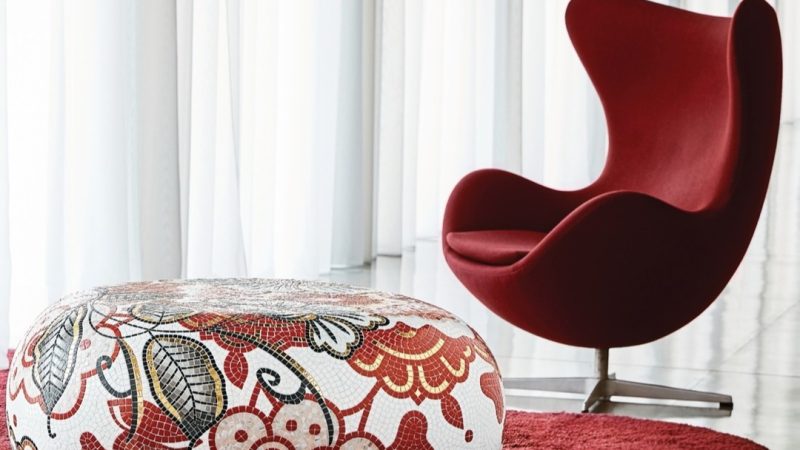
Colour also played a major role in defining the 2025 mood. Earthy reds, mineral greens, butter yellows, deep blues and warm neutrals appeared across furniture, walls and accessories. These tones felt more adaptable than short-lived novelty colours, working comfortably with timber, brushed metal and natural stone.
Australian homes can take a direct lesson from this approach. Rather than relying on a single bright ceiling fitting, layered lighting can combine task illumination, wall washing and low-level ambient light. This is especially useful in open-plan houses in Sydney or Adelaide, where one room may serve as kitchen, dining area, office and living space.
Interactive Displays Made Design Feel More Accessible
A number of Brera’s temporary displays invited visitors to touch, move, sit, listen or alter an element of the presentation. These interactive features helped explain products that might otherwise seem abstract, particularly smart lighting, modular furniture and new surface technologies.
The most successful interactive experiences had a clear purpose. Visitors could compare textures, test a mechanism or observe how a structure changed under different conditions. The experience was memorable because it clarified an idea. A screen or sensor was useful when it revealed information that a static display could not provide.
Some digital environments also borrowed the language of games: choice, progression, anticipation and reward. That vocabulary can be seen in other forms of interactive entertainment, including choosable multiplier mechanics, where a user selects a path and receives immediate visual feedback. In a design installation, the same principle can make an unfamiliar material or product system easier to understand without turning the presentation into a technical lecture.
This matters for showrooms beyond Milan. In Australia, where many buyers encounter international brands through local distributors or online catalogues, a tactile and explanatory display can bridge the gap between an image and a real purchase. It can show whether a fabric feels robust, whether a chair supports different postures, or whether a modular system suits a compact apartment.
The Best Installations Connected Objects With Architecture
Brera’s most persuasive projects treated furniture as part of a larger spatial composition. Tables, chairs, rugs, shelving and lighting were arranged with walls, floors and circulation in mind. The effect was closer to a complete interior than a collection of isolated products.
This was especially relevant in temporary residential settings. Visitors saw how a low lounge chair might shape conversation, how a sculptural lamp could anchor an entrance, or how storage could divide a room without creating a solid barrier. Such displays made the relationship between product design and architecture immediately visible.
The district also demonstrated the value of restraint. Some of the most memorable rooms used relatively few objects, giving each item enough space to be understood. The visual calm was not empty; it relied on proportion, material contrast and carefully framed views.
For Australian interiors, this approach suits the growing interest in flexible rooms and smaller urban dwellings. Apartments in central Melbourne, Sydney and Brisbane increasingly need furniture that can support work, entertaining and relaxation without appearing overfilled. It also aligns with the local preference for indoor-outdoor continuity, where finishes and forms can carry from a living room towards a balcony or garden.
Regulation should remain part of that conversation. Furniture and interior products may need to comply with Australian standards, electrical requirements and the National Construction Code when they are incorporated into a building project. A beautiful European installation can inspire a scheme, but local professionals still need to check fire safety, lighting, accessibility and product suitability before specifying it.
A Walkable Programme That Rewarded Careful Editing
The sheer number of events was both Brera’s strength and its difficulty. During Milan Design Week, the district can become crowded, with queues outside popular venues and little time between appointments. The best way to experience the temporary installations was to edit the itinerary rather than attempt to see everything.
A practical route could begin near Via Brera, continue towards the courtyards and galleries around Via Solferino, and finish with selected showrooms closer to Corso Garibaldi. Visitors who planned around opening times could avoid crossing the district repeatedly. Comfortable shoes were essential, as was a willingness to pause outside a venue and decide whether the experience justified the wait.
The Australian perspective adds another layer of planning. Milan in April is generally milder than an Australian summer, but weather can shift quickly, and indoor venues may feel warm when crowded. Travellers from Sydney, Melbourne or Perth also need to account for jet lag and the time difference when booking presentations. A slower first day often produces better design observations than a packed schedule immediately after a long flight.
The following comparison captures the qualities that made different types of Brera installation effective in 2025:
| Installation Type |
Strongest Feature |
What Visitors Experienced |
Relevance For Australian Projects |
| Historic palazzo presentation |
Architectural contrast |
New products framed by old rooms and courtyards |
Useful for heritage conversions and boutique hospitality |
| Material laboratory |
Evidence and tactility |
Samples, prototypes and process demonstrations |
Supports informed, durable material selection |
| Immersive lighting display |
Atmosphere |
Colour, shadow and movement shaping the room |
Inspires layered lighting for open-plan homes |
| Interactive product environment |
Participation |
Touch, choice and immediate feedback |
Helps customers understand complex systems |
| Residential interior setting |
Spatial clarity |
Furniture shown in realistic room relationships |
Relevant to apartments and flexible Australian homes |
| Outdoor or courtyard installation |
Indoor-outdoor connection |
Products tested against landscape and weather |
Suits Australian entertaining and climate-conscious design |
The strongest lesson from Milan Design Week 2025 was that a temporary installation does not need to be enormous to be persuasive. A carefully edited room, a thoughtful material demonstration or a well-lit courtyard could communicate more effectively than an oversized spectacle.
Brera remains valuable because it brings design into contact with architecture, history and daily urban life. Explore its installations through the lens of materials, light, movement and use, then carry those observations into your own interiors, outdoor spaces or upcoming design projects.