Moooi brings three-dimensional texture to the carpet floor
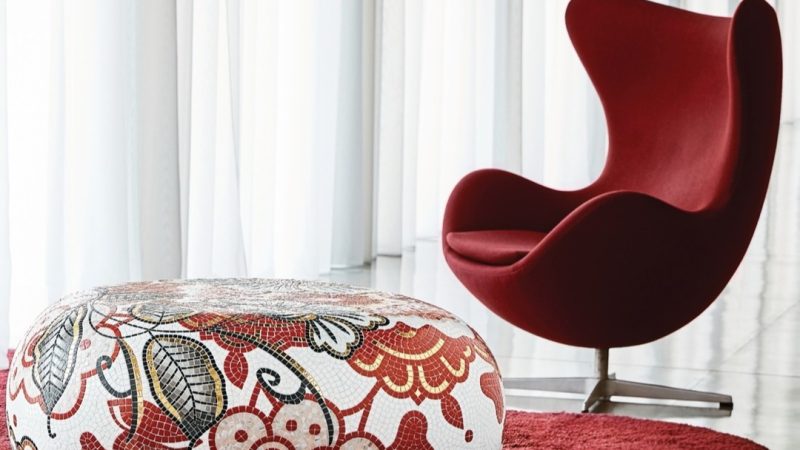
Moooi’s latest carpet direction treats the floor as a designed surface rather than a neutral background. Through 3D tufting, colour, pattern and pile height work together to create rugs with a pronounced tactile character, giving interiors a sense of movement that is visible from across the room and perceptible underfoot.
The approach suits the brand’s expressive design language, while offering a practical alternative to purely decorative flooring. For Australian homes, hotels, galleries and workplaces, the collection brings another layer of choice to a market that increasingly values texture, considered materials and flexible interior schemes.
| Feature |
Flat printed carpet |
Standard tufted carpet |
3D tufted carpet |
| Surface effect |
Graphic and even |
Soft with moderate texture |
Raised, sculptural and dimensional |
| Visual impact |
Dependent on colour and pattern |
Balanced and adaptable |
Strong focal point |
| Best use |
Layering and large areas |
Everyday residential spaces |
Feature zones and refined commercial interiors |
| Design character |
Crisp and illustrative |
Plush and familiar |
Tactile, architectural and expressive |
| Main consideration |
Can feel visually flatter |
Less pronounced relief |
Needs thoughtful placement and care |
The idea behind the relief
Traditional carpet design often relies on a printed image or a consistent pile to carry the visual story. 3D tufting changes that relationship by building the image into the surface itself. Different yarn heights and tufting techniques produce contours, shadows and soft transitions, so the design shifts as daylight moves across it.
This relief can be subtle, with a low undulation that rewards close inspection, or more pronounced, creating a surface that resembles topography. The result is a type of textile architecture: a floor covering that defines territory, frames furniture and adds depth without requiring a new wall finish or a dramatic architectural intervention.
Moooi has long worked with fantasy, nature and oversized visual motifs. In this new direction, those themes gain a physical dimension. A floral form can rise gently from the field of a rug, while an abstract pattern can appear to fold, swell or recede. The carpet becomes an object with presence, rather than a flat image placed beneath a room.
How 3D tufting changes a room
The strongest benefit is the way textured carpet moderates a space. A raised pile can soften the hard acoustics of a concrete apartment, a timber-lined dining area or an open-plan workplace. It also introduces visual warmth, especially in rooms where stone, glass and metal dominate the material palette.
Placement is important. A dimensional rug beneath a coffee table can establish a conversational centre in a living room, while a broad design under a dining setting gives the furniture a clear visual boundary. In hospitality interiors, a relief carpet can guide movement through a lobby or add intimacy to a lounge without relying on freestanding screens.
The collection also offers a more immersive experience than a standard patterned rug. Its surface changes when viewed from standing height, seated height or close range. This layered reading is useful in galleries, hotel suites and residential projects where visitors are expected to spend time noticing the details.
A collection suited to Australian spaces
Australian interiors often balance strong natural light with practical demands. In a Sydney terrace, a sculptural rug can soften a compact sitting room while complementing limestone, timber or painted joinery. In Melbourne, where darker winter interiors benefit from a warmer tactile layer, a deep-toned design can bring richness to a warehouse conversion or Victorian-era home.
The local market also has a strong connection to wool, woven textiles and durable floor coverings. A design-led carpet with varied pile can speak to that preference while moving beyond the plain neutral rug. In Brisbane and the Gold Coast, where indoor-outdoor living is central, the carpet is best positioned in protected interior zones away from open doors, pool traffic and excessive humidity.
For apartments in Perth or Adelaide, scale deserves particular attention. A bold, high-relief carpet can become visually dominant in a small living area, while a restrained pattern in a similar construction may provide texture without crowding the room. Australian buyers should also consider lead times, freight dimensions and whether a design is available in a suitable custom size before specifying it.
Useful selection checks include:
- Measure the furniture grouping rather than the empty floor area.
- Test colours in both direct Australian sunlight and evening light.
- Keep high-relief designs away from doors that scrape or catch.
- Confirm delivery, installation and warranty terms with the local supplier.
In commercial settings, the collection can add distinction to Sydney hotel rooms, Melbourne creative studios or boutique retail spaces. It should be assessed against project traffic, cleaning schedules and relevant commercial performance requirements, particularly when the carpet is intended for a foyer, corridor or restaurant.
Choosing colour, scale and placement
Three-dimensional texture is most effective when colour supports the relief instead of competing with it. Tonal combinations reveal changes in pile height through shadow, making an organic pattern feel calm and sophisticated. Stronger contrasts make the contours more legible and turn the carpet into a graphic focal point.
The surrounding furniture should provide enough visual space for the surface to register. A heavily patterned sofa, ornate timber table and decorative wall treatment may all compete with a sculptural rug. Conversely, a restrained room can give the carpet room to perform, allowing its contours to become the main point of interest.
Scale is equally influential. A small rug may present the design as a concentrated artwork, while a larger format can make the relief feel architectural. Before ordering, it is useful to mark the intended dimensions on the floor with painter’s tape. This simple step shows how much of the pattern will sit beneath furniture and whether the edges will interrupt circulation.
For Australian projects, colour should be reviewed against local conditions rather than a showroom sample alone. North-facing rooms in Sydney or Brisbane can intensify warm hues, while a shaded Melbourne apartment may make cool greys and blues appear deeper. A sample viewed beside existing timber, stone and upholstery is more reliable than a screen image.
Sourcing, care and longevity
A carpet with a sculpted surface deserves the same attention given to a statement chair or limited-edition light. Buyers should confirm the construction, backing, pile height, available dimensions and suitability for the intended traffic level. When a project involves an architect, interior designer or builder, these details should be included in the specification from the beginning.
For independent buyers, the practical process can begin with a clear brief covering room size, preferred palette, furniture layout and delivery location. Moooi designs may involve international production and shipping, so Australian customers should allow time for freight, customs processing and installation. A useful guide to sourcing design pieces can help organise this stage before a final order is placed.
Care is generally about prevention. Regular vacuuming with an appropriate setting removes loose dust without unnecessarily stressing the pile, while prompt attention to spills reduces the chance of staining. Rotating loose rugs where practical can also distribute wear, although any rotation should respect the direction of the design and furniture layout.
A few long-term habits help preserve the surface:
- Use quality felt pads beneath tables, sofas and occasional chairs.
- Avoid dragging furniture across raised or looped areas.
- Place entrance mats at exterior access points.
- Arrange professional cleaning according to the manufacturer’s instructions.
The deeper value of 3D tufting is its ability to connect visual identity with physical experience. Rather than functioning as a background finish, Moooi’s carpet collection can define how a room is read, navigated and remembered. For Australian interiors seeking a distinctive layer of softness and structure, it offers a compelling way to bring the drama of contemporary design down to the floor.
Explore the collection through a Moooi dealer or design showroom, request material samples, and compare the available textures against the room’s light, furniture and daily use before specifying a piece.