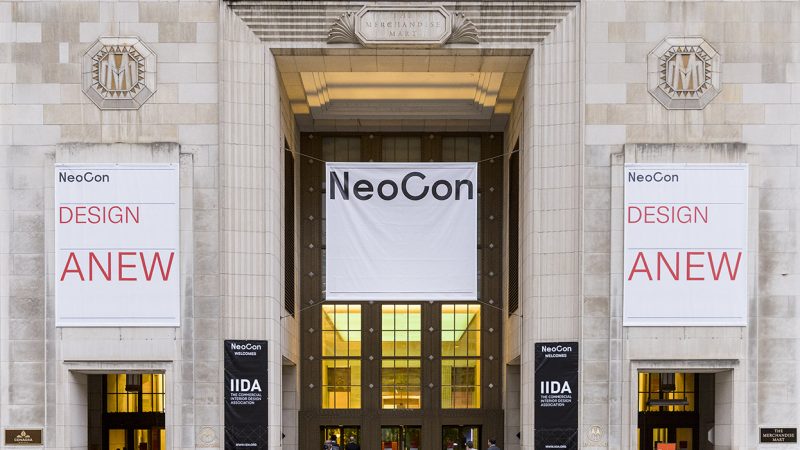
NeoCon 2025: Timber-look luxury vinyl plank takes centre stage
NeoCon 2025 flooring trends centred on luxury vinyl plank with real wood textures point to a clear change in expectations. Surfaces must look authentic, feel reassuring and simplify installation, with contract and residential buyers seeking the character of natural oak without the movement, maintenance or price of a solid board.
The strongest timber-look products now combine layered colour design with restrained bevels, matte finishes and directional grain. Rather than treating wood as a printed photograph, they use texture to catch changing daylight, revealing knots, mineral streaks and subtle tonal shifts as a viewer moves across the floor.
That matters in Australia, where open-plan Sydney and Melbourne apartments need visual continuity, Brisbane and Perth receive intense sunlight, and terraces make durable, easy-clean surfaces especially valuable. The local market already understands engineered timber, yet many households still want an oak or walnut appearance suited to active family life.
NeoCon also suggests a more evidence-led buying process. Texture samples, installation details, acoustic information and technical documentation belong beside glossy renderings. In Australia, claims about durability, waterproofing or suitability must be supportable under the Australian Consumer Law, and warranty conditions should reflect local traffic, climate and cleaning routines.
Realism is now a multisensory issue
At NeoCon in Chicago, timber-look flooring was presented less as a cheap substitute and more as a finish system with its own material identity. Visual fidelity still begins with plank proportion, but designers now ask whether the edge, surface and repeat pattern hold together under the hard, oblique light found in hospitality spaces and Australian homes.
Luxury vinyl plank can reproduce convincing timber grain, yet the assembly matters. A rigid core provides stability, while an embossed surface or registered texture gives the board depth. Matte finishes reduce the plastic sheen that once separated imitation wood from the real thing, and low-contrast bevels suggest a hand-finished floor without making every joint shout.
Texture carries the handmade signal
Oak remains the reference point, but the trend is moving toward specific timber stories: brushed oak with visible medullary rays, wire-brushed grain, sawn marks and softly distressed edges. These restrained imperfections give LVP a crafted character suited to quiet, handcrafted interiors, coastal homes and the relaxed modernism common in Australian renovation culture.
The appetite for surfaces that communicate history also appears in an iconic photograph, where stone, light and human presence give a material emotional weight beyond decoration. The lesson for flooring is not literal imitation. It is to make a repeatable product feel grounded through believable texture, proportion and an honest relationship with light.
Colour and layout shape the room
The palette around these floors is warmer and easier to live with than the cool grey floors once favoured for commercial projects. Pale oak and natural ash brighten compact rooms, smoked walnut adds depth, and bleached timber suits coastal light. Australian designers are also mixing restrained blackened accents with warmer boards rather than allowing dark tones to dominate an entire home.
Format carries as much influence as colour. Wide planks make open plans feel calmer, narrow strips create rhythm, and herringbone or chevron layouts bring movement to a square room. A patterned installation can make LVP feel less like a uniform sheet, while compatible rectangular boards offer a quieter route for apartments where continuity matters more than spectacle.
The right orientation can guide visitors from an entry towards a window, kitchen or courtyard. Because visual repetition is easier to notice in resilient flooring than in solid timber, careful planning of cuts, staggered joints and transitions is essential. Large-format samples should be viewed in the actual room before the final layout is fixed.
Performance for Australian daily life
A convincing timber appearance is only the first requirement in Australian homes. Kitchens, laundries, entries and family rooms need a surface that tolerates spills, grit and frequent cleaning. Many LVP products use a waterproof rigid core and wear layer, while some include an attached pad or cork backing to soften footsteps and reduce transmitted sound.
Marketing terms still require care. A scratch-resistant finish is not scratch-proof, and a waterproof core does not make every installed floor waterproof, particularly around joints, edges or flooded subfloors. Bathrooms and laundries should follow the manufacturer’s wet-area instructions. Direct sun in Perth or Brisbane can also test colour stability, so UV-resistance data and a sensible window-covering plan deserve attention.
The Australian Consumer Law requires products to match their stated purpose and representations, while the National Construction Code and relevant Australian Standards apply to the wider building assembly. Product-specific installation instructions remain decisive for balconies, wet rooms and underfloor heating. Buyers should read the warranty exclusions, cleaning guidance and subfloor requirements before choosing a board that merely looks right.
Comfort, acoustics and indoor-outdoor flow
Comfort is becoming a visible design decision rather than an afterthought. LVP typically feels calmer underfoot than ceramic tile, and denser boards can avoid the hollow sound of a poorly fitted floating floor. Acoustic underlay, resilient intermediate layers and correct installation help with impact noise in apartments, where hard surfaces can make an open living area feel unexpectedly loud.
The timber cues can also help organise a compact home. Pale boards can draw a line towards a terrace, while darker planks define a study nook without the bulk of a partition. For projects that blur the line between indoors and out, landscape design for compact Australian courtyards can echo the same timber hues, making a timber-look floor feel connected to the garden rather than isolated from it.
Evaluating samples beyond the showroom
A small display board cannot show how a floor performs across a long, sunlit room. Request several loose planks, including cut edges, and view them upright and flat under daylight as well as showroom lighting. Walk across them to hear the locking system, then inspect the bevel for harshness, repetitive grain and colour banding. These simple checks reveal more than a large, carefully staged image.
Sustainability claims also deserve the same scrutiny. Wood-look vinyl contains plastic and should not be described as timber simply because its surface resembles wood. Useful evidence includes recycled content, product declarations, emissions information, take-back arrangements and the potential for reuse. At NeoCon, where contract buyers compare products over many years, transparent life-cycle data now carries as much weight as visual novelty.
A buying framework for lasting appeal
Begin with the room’s use, not the trend image. A hallway needs abrasion resistance, a quiet apartment may prioritise acoustic comfort, and a kitchen demands straightforward cleaning and reliable water management. Next, compare rigid-core construction, wear-layer thickness, locking or adhesive systems, trim availability and the total installed price rather than the square-metre promotion alone.
Then test the finish in context. Laying oversized samples near the room’s main light source can show whether the chosen oak or walnut tone becomes too yellow, cold or busy. Bring a floor plan and photographs of the existing space to the showroom, and ask the supplier to demonstrate cleaning, repair and replacement procedures before specifying the product.
The most durable NeoCon 2025 direction is not a single colour or pattern. It is the combination of believable wood texture, practical performance and a layout suited to the architecture. Warm timber tones, subtle variation and tactile surfaces can remain appealing after the exhibition floor disappears, giving Australian homes a finish that feels current without tying them to one short-lived season.
Now turn the trend into a brief: choose a room-by-room performance priority, collect real timber and LVP samples, test natural and electric light, and obtain written installation and warranty information. Visit a showroom with measured dimensions, site photos and a clear budget, then compare the feel, sound and maintenance of shortlisted boards before ordering.
Book a supplier consultation for the final material check and arrange professional installation using the approved system. That measured approach preserves the warmth and realism attracting attention at NeoCon while giving a Sydney apartment, Melbourne family home or Brisbane coastal property a floor suited to daily Australian life.