NeoCon 2025: Hybrid Furniture for Remote Work Hubs
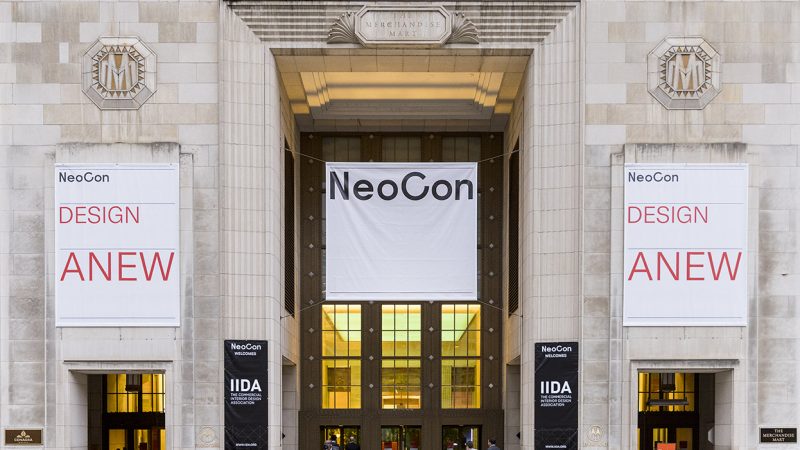
The Mart in Chicago hosted another edition of NeoCon in June 2025, and the conversation on every floor revolved around the same theme: furniture built for workers who no longer sit in the same place every day. Showrooms from Knoll, Steelcase, Haworth, Allsteel and a long tail of independent studios presented collections designed for what they call the remote work hub, a category that fuses residential comfort, commercial durability and residential-grade acoustics into single products.
For Australian businesses, the timing is significant. The Fair Work amendment introducing the Right to Disconnect took full effect for larger employers in August 2024, and many organisations in Sydney, Melbourne and Brisbane are still rethinking how their physical space supports a workforce that logs on from home three days a week and from a hot desk the other two. NeoCon's 2025 crop of launches offers a useful snapshot of where the global contract furniture market is heading and which pieces translate well to local conditions.
Workstation Concepts Redefined for Distributed Teams
The most visible shift at NeoCon 2025 was the move away from the dedicated cubicle toward furniture that behaves more like a piece of living room joinery. Showrooms presented desks with soft-edged tops, integrated planters, tambour fronts that hide cables, and screens wrapped in wool felt rather than tackable fabric. Steelcase's Orchestrate range, refreshed for the show, includes a credenza-height desk that converts from a standing workstation into a four-person meeting nook in under a minute, with magnetic privacy panels that snap into place without tools.
For Australian specifiers, the appeal is twofold. Office fit-outs in Sydney's CBD and Melbourne's Docklands are running at roughly seventy per cent of pre-pandemic occupancy on any given weekday, so square metre efficiency matters more than ever. A single piece that performs three or four jobs justifies its footprint in a way a traditional workstation rarely did. Local dealer networks are also reporting that clients are willing to pay a premium for products that look residential enough to drop into a home office if the company later shifts to a fully distributed model.
| Category |
Typical Lead Time |
Acoustic Rating (NRC) |
Indicative AUD Price |
Best Suited To |
| Modular desking system |
8-12 weeks |
0.45-0.60 |
$2,800-$5,200 per station |
Mid-size enterprises reconfiguring floors quarterly |
| Acoustic privacy pod |
10-16 weeks |
0.85-0.95 |
$14,000-$32,000 per unit |
Open-plan offices needing focus rooms without construction |
| Height-adjustable bench |
6-10 weeks |
N/A |
$1,900-$3,400 per station |
Activity-based working environments |
| Soft seating booth |
10-14 weeks |
0.55-0.70 |
$5,500-$11,000 per booth |
Collaboration zones and informal client meetings |
| Mobile media cart |
4-8 weeks |
N/A |
$2,200-$4,800 per unit |
Agile teams using video-first workflows |
Acoustic Pods and Privacy in Open Plan
Acoustic privacy was the second big story at the show, with manufacturers presenting pods that are quieter, better ventilated and far more architecturally refined than the boxy units that flooded the market between 2020 and 2023. Framery's O workstation, launched just before NeoCon and shown publicly for the first time on the third floor, offers a single-occupant phone booth with a stile-and-rail timber aesthetic that borrows directly from Scandinavian joinery. Nearby, Room launched a four-person meeting pod with a ceiling-mounted fan coil that actually cools the unit in a humid climate.
That last detail matters for Australian buyers. Sydney's summer humidity regularly pushes past seventy per cent, and Brisbane's subtropical conditions make an unventilated pod uncomfortable within minutes. Manufacturers who addressed cooling, lighting colour temperature and acoustic transparency (the ability to hear muffled conversation rather than total silence) earned genuine attention from the Australian contingent touring the show with a delegation led by the Design Institute of Australia.
Modular Desking and Reconfigurable Floor Plates
Beyond pods, the desking hall at NeoCon 2025 leaned heavily into modularity. Allsteel's Merge benching system, now in its third generation, allows a single frame to accept screens, storage, planters and monitor arms in any combination, and the company demonstrated a full floorplate reconfiguration completed in under four hours. The visual language has also softened: pastel laminates, warm white powder coat, and oak-veneered end caps replace the grey-on-grey aesthetic that dominated office furniture through the 2010s.
This direction suits the way Australian tenants are thinking about leases. With average commercial lease terms in Melbourne and Sydney running between five and seven years, but with many occupiers holding internal reviews every eighteen months, furniture that can move with the floorplate offers a return on investment that fixed joinery cannot. Several Melbourne-based workplace strategists visited the show specifically to compare benching systems for upcoming moves in Collins Street and Southbank.
Ergonomic Seating Tuned for Long Hybrid Days
Seating remains the most considered purchase on any commercial fit-out, and NeoCon 2025 delivered a strong field. Herman Miller's Aeron refresh, now available in a graphite colourway and with a redesigned PostureFit lumbar, was on display alongside a new entry-level task chair aimed at the home office market. Humanscale showed a mesh-back chair with a self-adjusting recline mechanism that requires no user calibration, a small detail that addresses the most common complaint from facilities teams: workers who never adjust their chair and then complain about back pain.
For Australian buyers, the wellness framing around seating has shifted from a compliance conversation to a retention conversation. With a tight labour market in professional services across Sydney and Brisbane, employers are using chair quality as a tangible signal that the office is worth commuting to. Several chairs shown at NeoCon are now rated to BIFMA level 3 and carry Declare labels, which matters for projects targeting a Green Star rating through the Green Building Council of Australia.
Sustainable Materials and Circular Design
Sustainability moved from a marketing line to a measurable specification at this year's show. Steelcase published the embodied carbon figures for its entire 2025 catalogue, while smaller studios like Takt and NaughtOne presented chairs with replaceable foam, recyclable shells and take-back schemes that handle end-of-life disassembly. Wool felt, FSC-certified plywood and recycled PET acoustic panels were everywhere, often in combinations that produced unexpectedly warm textures.
Australian architects working on projects that target a six-star NABERS rating or a 5 Star Green Star Interiors rating will recognise these materials. Several local distributors already stock EU-produced PET panels and Tasmanian-grown Tasmanian Oak laminates, which shortens lead times considerably compared to bringing full containers from North America or Europe. The Australian dollar's recent strength against the euro has also made European imports more competitive, even after the shipping costs added in 2024.
Smart Integration and Power Delivery
The final theme at NeoCon 2025 was invisible technology. Power and data were integrated into furniture with little visible hardware: induction charging surfaces, USB-C ports recessed into aluminium extrusions, and cable management that runs through magnetic track systems rather than floor boxes. Steelcase's Flex collection now ships with optional occupancy sensors that feed into workplace analytics platforms, giving facilities managers real data on how each neighbourhood of the office is actually used.
For Australian workplaces navigating the post-pandemic return, that data is gold. Knowing that a particular cluster of desks sits empty on Tuesdays but fills by Thursday allows real estate teams to right-size the floorplate, and in cities like Sydney where commercial rents remain among the highest in the Asia-Pacific, that translates directly to operating cost savings.
Practical Guidance for Australian Facilities Teams
After three days on the show floor, several patterns emerged that translate well to local projects:
- Specify acoustic pods with active ventilation, particularly for offices north of Sydney where summer humidity is severe.
- Choose modular desking frames with a minimum ten-year parts warranty and a published take-back scheme.
- Prioritise task chairs with self-adjusting mechanisms, since hybrid workers rarely take the time to calibrate manual controls.
- Insist on Declare or Health Product Declaration labels when targeting Green Star certification.
- Negotiate soft seating in performance fabrics rather than leather, which performs poorly in Australian UV loads near windows.
- Confirm Australian electrical certification (SAA approval) on any imported pod or powered bench before signing the purchase order.
- Build a relationship with a local dealer who can hold demonstration stock, which compresses lead times for urgent refits.
The 2025 edition of NeoCon confirmed that the hybrid work hub is no longer an experimental category. It is the dominant brief shaping commercial furniture design, and Australian workplaces are well placed to benefit from a global supply chain that has finally caught up with how people actually work in 2025. For readers planning a fit-out, renovation or workplace strategy review over the next twelve months, the pieces shown in Chicago this June are arriving in Australian showrooms from September onward, and the smarter local dealers are already taking expressions of interest for early 2026 deliveries.