NeoCon 2025 Preview: Six Emerging Material Trends to Watch
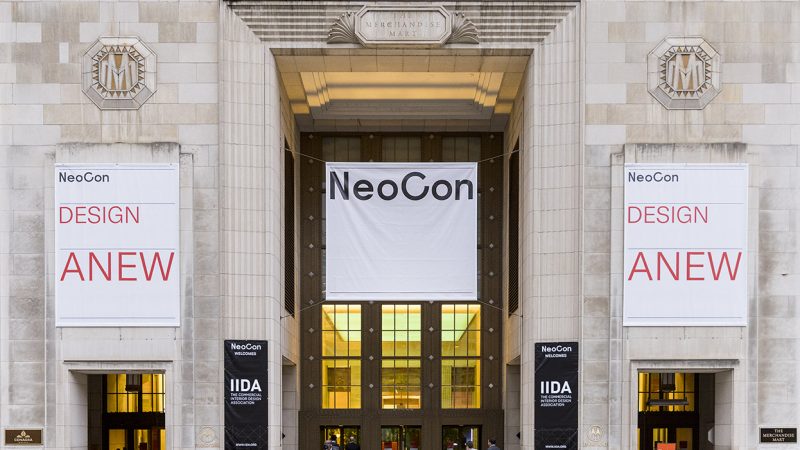
NeoCon returns to Chicago’s Mart from June 9–11, 2025, bringing together workplace brands, commercial interiors specialists, architects, designers, and manufacturers from around the world. As the contract furniture market responds to hybrid work, stricter sustainability targets, and changing expectations around wellness, materials will be central to the conversation.
The most compelling developments are unlikely to be isolated product novelties. Instead, they will appear as practical systems: recycled surfaces that perform in demanding environments, acoustic products that contribute to a room’s visual identity, and bio-based materials that move beyond experimental prototypes.
This year’s fair should offer a useful preview of where commercial design is heading. From low-impact composites to warmer metal finishes, these six material directions deserve close attention across showrooms, installations, and new furniture collections.
Bio-Based Composites Move Into Everyday Interiors
Bio-based materials have been part of design speculation for years, but NeoCon 2025 is likely to show a more mature generation of products. Manufacturers are increasingly exploring agricultural fibers, plant-based resins, mycelium, cork, hemp, flax, and wood waste as ingredients for panels, furniture shells, acoustic products, and accessories.
The important shift is from novelty to usability. Designers are looking for materials that can withstand frequent cleaning, repeated handling, and long commercial lifecycles. A plant-derived composite may attract attention, but it must also meet fire, moisture, durability, and maintenance requirements before it can compete with established materials in offices, hotels, healthcare environments, and education spaces.
Expect to see bio-based content presented through familiar formats rather than science-fiction forms. Tabletops, chair components, wall panels, and lighting elements may use these materials while retaining a restrained visual language. Subtle fibers, natural variation, and softly textured surfaces can bring warmth to interiors without making sustainability feel like a decorative theme.
Circular Feedstocks Become A Design Feature
Recycled content is evolving from a specification hidden in a product sheet into a visible part of a product’s identity. Post-consumer plastics, recycled aluminum, reclaimed wood, textile waste, and regenerated fibers are being used across seating, workstations, wall systems, and flooring.
At NeoCon, the strongest examples will likely balance traceability with visual refinement. Designers increasingly want to know where a material came from, how much recycled content it contains, and whether it can be separated at the end of its useful life. This information supports responsible procurement while helping clients measure progress toward environmental targets.
Material character will matter as much as environmental credentials. Flecked upholstery, terrazzo-like recycled polymers, and brushed surfaces made from secondary metals can communicate circularity without looking unfinished. The most successful products will make variation feel intentional, turning the evidence of reuse into a design asset rather than a compromise.
Acoustic Materials Become More Expressive
Open offices, flexible workspaces, and hospitality interiors continue to create demand for acoustic control. Yet acoustic products are no longer expected to disappear into ceilings or blend quietly into the background. In 2025, sound-absorbing materials should become more sculptural, colorful, and spatially ambitious.
Felt will remain important, especially recycled PET felt, but it will appear in more sophisticated forms. Curved screens, modular wall compositions, suspended baffles, and freestanding partitions can divide space while improving speech privacy and reverberation. Designers may also combine acoustic performance with integrated lighting, planting, storage, or display functions.
This trend reflects a broader interest in multifunctional interiors. A workspace needs to support focus, collaboration, social interaction, and video meetings without relying on permanent walls. Textiles, perforated surfaces, and porous composites offer a way to shape atmosphere and sound while keeping layouts adaptable.
| Material Direction |
Common Applications |
Design Value |
Questions To Ask |
| Bio-based composites |
Furniture shells, panels, accessories |
Renewable content and tactile warmth |
Can the material meet durability and fire standards? |
| Recycled feedstocks |
Seating, flooring, workstations, wall finishes |
Visible circularity and reduced virgin material use |
Is the recycled content verified and traceable? |
| Acoustic textiles |
Screens, baffles, partitions, wall systems |
Sound control with color and texture |
Can components be repaired, reused, or replaced? |
| Low-carbon mineral surfaces |
Countertops, flooring, wall panels |
Stone-like performance with lower impact potential |
What binders, additives, and end-of-life options are involved? |
| Refined metals |
Frames, hardware, lighting, tables |
Longevity, precision, and visual warmth |
Is the finish durable and the metal recyclable? |
| Adaptable performance fabrics |
Upholstery, curtains, panels, outdoor furniture |
Comfort, hygiene, flexibility, and long service life |
How does the fabric perform under cleaning and heavy use? |
Low-Carbon Mineral Surfaces Gain Ground
Stone, ceramic, terrazzo, and concrete-inspired finishes continue to influence commercial interiors, but the next phase will focus on how these materials are produced and specified. Lower-cement concrete, recycled aggregates, mineral composites, and thin-format surfaces can provide a substantial visual presence while reducing material volume or incorporating industrial byproducts.
These surfaces appeal to designers because they offer both durability and a grounded aesthetic. Soft grays, warm chalk tones, sandy neutrals, and muted colors can establish a calm backdrop for hospitality, workplace, and residential-inspired commercial settings. Subtle irregularities are often preferable to highly polished uniformity, giving surfaces a more natural and less corporate character.
NeoCon visitors should look beyond appearance and examine the entire manufacturing process. A surface marketed as sustainable may still involve energy-intensive production, difficult-to-separate binders, or limited repair options. The most credible products will pair mineral content with transparent data, long warranties, and formats that can be replaced selectively rather than discarded as a complete installation.
Metals Become Warmer, Softer, And More Responsible
Metal remains essential to contract furniture because of its strength, precision, and recyclability. The visual direction, however, is becoming less industrial. Brushed bronze, muted brass, champagne tones, darkened steel, and satin aluminum are bringing more warmth to frames, bases, lighting, and architectural details.
This change is part of a larger move toward hospitality-inspired workplaces. Designers are combining metal with wood, leather alternatives, woven textiles, and stone-like finishes to create spaces that feel polished without appearing severe. Softer reflectivity is especially useful in offices and public interiors, where highly glossy finishes can create visual glare and a sense of corporate formality.
Responsible metal use will also be important. Recycled aluminum and steel can support circular manufacturing, while durable powder coatings may reduce the need for frequent refinishing. Components designed for disassembly can extend a product’s service life and make future repairs or material recovery more practical.
Performance Textiles Become More Tactile
Commercial upholstery is being asked to perform under intense conditions while offering the comfort and visual richness associated with residential furniture. This is encouraging textile manufacturers to develop fabrics that resist abrasion, stains, moisture, and frequent cleaning without feeling stiff or synthetic.
Expect greater interest in bouclé-like textures, woven surfaces, heathered effects, recycled yarns, and textiles with irregular color variation. These finishes add depth to lounge seating, meeting areas, booths, and collaborative furniture. Pattern is also returning in a controlled way, with small-scale geometry and organic motifs used to distinguish zones without overwhelming a space.
The best performance fabrics will support longer product lifecycles. Replaceable upholstery, solution-dyed fibers, and mono-material constructions can simplify maintenance and reduce the need to replace entire furniture pieces. Designers should also pay attention to chemical treatments, cleaning instructions, and the difference between recycled content and genuine circularity.
How To Evaluate Materials At NeoCon
A busy trade show can make every new finish appear equally important. A practical evaluation method helps separate a persuasive material story from a product that will perform in real projects.
- Look for clear information about recycled or bio-based content, certifications, manufacturing location, and end-of-life pathways.
- Check whether a product can be repaired, reupholstered, disassembled, or upgraded instead of replaced.
- Assess tactile quality in person, including glare, texture, edge details, color variation, and how surfaces work together.
- Compare environmental claims with performance data for fire safety, acoustics, abrasion, cleaning, moisture, and warranty coverage.
- Consider whether the material supports the intended atmosphere of the project rather than serving as a sustainability gesture alone.
Material innovation at NeoCon 2025 will be measured by usefulness as much as originality. The most influential products may be the ones that quietly improve indoor comfort, reduce waste, support flexible layouts, and remain attractive through years of commercial use.
For designers, architects, specifiers, and design enthusiasts, the fair offers an opportunity to examine how sustainability is becoming tangible: in the grain of a recycled panel, the softness of an acoustic screen, the patina of a metal frame, or the resilience of a new upholstery collection. Follow Tony Cucco for further coverage of the materials, furniture launches, and interior design ideas shaping the next season of commercial spaces.