NeoCon 2025’s Most Exciting Textiles for Hospitality Interiors
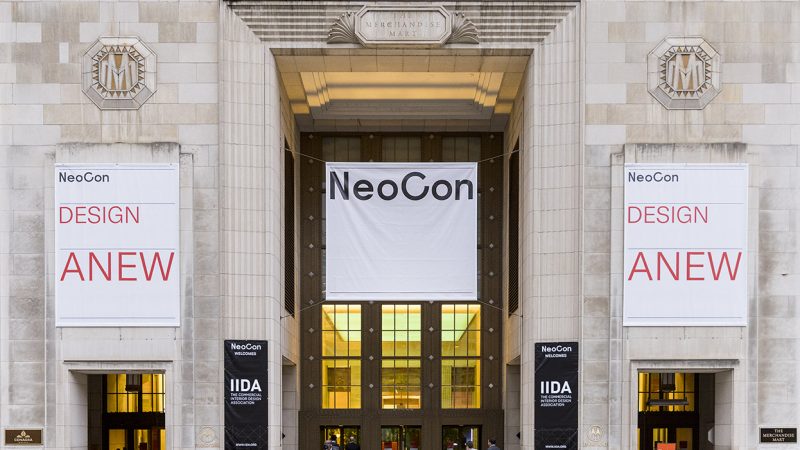
NeoCon 2025, held in Chicago from June 9 to 11, made a strong case for textiles as active tools in hospitality design. Fabrics were presented as acoustic surfaces, wellness cues, durability systems, and sources of visual identity rather than as finishing touches applied after the architecture was complete.
Across commercial showrooms and hospitality-focused presentations, the most compelling materials balanced sensory appeal with demanding performance requirements. Bouclé-like textures, expressive stripes, recycled-content constructions, coated fabrics, and sound-absorbing surfaces appeared in palettes designed for hotels, restaurants, clubs, lounges, and flexible workspaces.
The strongest new directions shared a practical intelligence. They looked residential without being fragile, offered tactile richness without excessive maintenance, and brought warmth to interiors that might otherwise rely on hard surfaces. For hospitality specifiers, that combination makes the latest textile collections especially relevant.
Texture becomes a hospitality experience
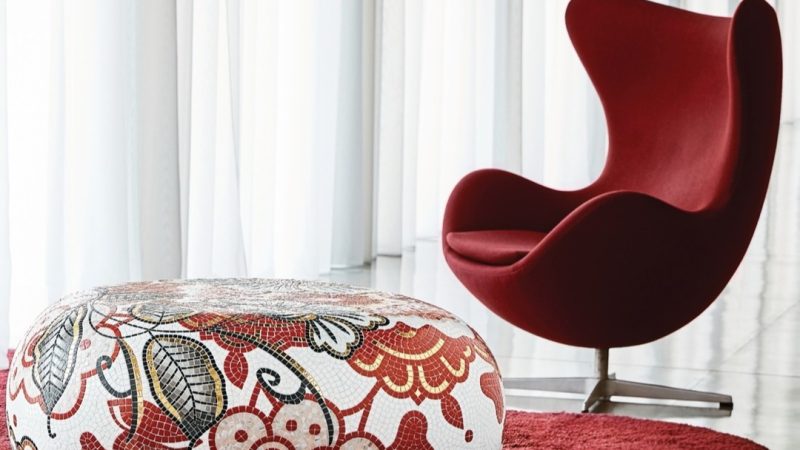
Texture was among the clearest visual themes at NeoCon. Instead of relying on large-scale graphics alone, many textile presentations used irregular weaves, subtle slubs, chenille-like surfaces, and layered yarns to create depth. These materials reward close viewing and touch, qualities that are valuable in spaces where guests are expected to linger.
This tactile approach suits contemporary hotel interiors particularly well. A textured upholstery fabric can soften the geometry of a lobby sofa, make a banquette feel more inviting, or add warmth to a restaurant surrounded by stone, glass, and metal. The best examples maintained a refined appearance while disguising minor marks and variations caused by heavy use.
Textured fabrics also support a more residential hospitality language. Designers can coordinate a robust seating textile with drapery, decorative pillows, wall panels, and headboards without making every surface look identical. The result is a layered scheme with enough variation to establish distinct zones within an open plan.
Performance meets a softer visual language
Hospitality textiles must withstand frequent cleaning, abrasion, spills, sunlight, and repeated contact. At NeoCon 2025, performance specifications were increasingly paired with softer appearances. Fabrics designed for commercial seating borrowed the comfort and visual ease traditionally associated with residential interiors.
High-performance polyester remains important because of its durability, color stability, and versatility. However, the most appealing collections avoided a technical or overly uniform look. Mélange yarns, heathered colors, bouclé effects, and woven constructions made contract-grade upholstery appear more organic and approachable.
A related development was the continued refinement of coated textiles and alternatives to traditional leather. Modern polyurethane and silicone-based surfaces can provide a supple hand, consistent color, and simplified cleaning while supporting vegan specifications. They work especially well on restaurant seating, guestroom benches, bar stools, and high-contact lounge furniture.
Material selection still requires close review. A wipe-clean finish may be suitable for a café but feel too cold on a guestroom headboard. A softly textured upholstery may look excellent in a lobby yet require careful placement away from luggage handling or food service. Performance data matters, but so does the experience of touching and living with the fabric.
Color moves toward atmospheric palettes
The color stories presented at NeoCon were more nuanced than a simple return to beige. Warm neutrals remained prominent, yet they were joined by mineral greens, clay, muted ochre, tobacco, dusty blue, and softened terracotta. These shades create hospitality interiors that feel calm without becoming visually anonymous.
Many palettes appeared designed to work across an entire property. A hotel might use a pale stone tone in corridors, a deeper olive on lounge seating, and a rust or indigo accent in restaurant upholstery. This approach creates continuity while allowing each destination to develop its own mood.
Pattern was also used with restraint. Narrow stripes, small-scale geometrics, broken checks, and organic marks offered visual rhythm without overwhelming furniture forms. Such patterns are practical in public areas because they can help disguise small signs of use while adding personality to otherwise simple seating.
For hospitality designers, the most useful collections were those offering a broad color range within a consistent construction. A single fabric family can then move from lobby chairs to booth seating and decorative applications, reducing the need to coordinate unrelated products from multiple suppliers.
| Textile direction |
Best hospitality applications |
Main design benefit |
Specification point |
| Textured woven upholstery |
Lobby seating, lounge chairs, guestroom benches |
Adds depth and a residential feel |
Review abrasion, snag resistance, and cleaning instructions |
| Performance coated fabric |
Restaurants, bars, banquettes, high-contact seating |
Fast maintenance and consistent appearance |
Check long-term hand, seam behavior, and surface aging |
| Recycled-content textile |
Guestrooms, public seating, drapery, accessories |
Supports material-conscious design narratives |
Verify recycled content, certifications, and end-of-life options |
| Acoustic textile panel |
Open lobbies, coworking lounges, meeting areas |
Reduces reverberation while adding color |
Coordinate thickness, mounting, and fire ratings |
| Small-scale stripe or check |
Dining chairs, booth backs, occasional seating |
Creates rhythm and conceals minor wear |
Confirm pattern repeat and upholstery yield |
| Drapery and sheer fabric |
Guestrooms, restaurants, wellness areas |
Controls light and improves softness |
Evaluate opacity, dimensional stability, and cleanability |
Acoustic textiles become architectural elements
Noise control is an increasingly important part of hospitality design. Hotels, restaurants, and multipurpose venues need to feel lively, yet excessive reverberation can make conversation difficult and undermine comfort. NeoCon’s textile landscape reflected this pressure through a wider use of acoustic fabrics and upholstered architectural components.
Sound-absorbing textiles appeared in applications beyond conventional office panels. Upholstered screens, suspended forms, wall coverings, banquette backs, and ceiling treatments can now be integrated into the visual language of a hospitality project. Instead of hiding acoustic treatment, designers can use it to establish color blocks, directional patterns, or soft partitions.
This is particularly useful in adaptive reuse projects, where exposed structure and hard finishes may create difficult acoustic conditions. A fabric-wrapped panel system can introduce softness without compromising the industrial character of the building. In a hotel lobby, acoustic upholstery can also define a quiet seating area without requiring permanent walls.
The strongest solutions combine acoustic performance with easy maintenance and clear detailing. Hospitality projects should consider how panels will be vacuumed, repaired, replaced, and protected from luggage, carts, and frequent contact. A beautiful acoustic finish has greater value when it can remain presentable throughout a demanding operating cycle.
Circularity requires evidence and clarity
Sustainability remained central to the conversation, but the most credible textile stories focused on measurable attributes. Collections featuring recycled fibers, bio-based inputs, reduced water use, responsible chemistry, or simplified recycling pathways attracted attention because they connected environmental goals with material performance.
Recycled polyester continues to be widely used in contract textiles, particularly for upholstery and acoustic applications. Its presence can reduce reliance on virgin feedstocks, although designers should distinguish between pre-consumer and post-consumer content and check the percentage included in the finished product.
Manufacturers are also exploring mono-material constructions and designs that make future separation easier. These approaches are important for hospitality because refurbishment cycles can produce substantial quantities of discarded upholstery and drapery. A fabric that supports repair, re-covering, or responsible recycling may have a more useful environmental profile than a product promoted through a single isolated attribute.
Certifications and product documentation should guide specification decisions. Look for information on indoor air quality, chemical content, recycled content, chain of custody, and end-of-life pathways. Sustainability claims become most valuable when they are specific enough to compare and relevant to the complete life of the installation.
The best textiles support a complete material palette
A textile rarely succeeds in isolation. Its impact depends on how it relates to timber, stone, metal, carpet, wall finish, lighting, and furniture form. NeoCon’s strongest presentations showed fabrics arranged in complete palettes, allowing designers to judge color relationships and tactile balance rather than selecting swatches individually.
For guestroom interiors, this may mean pairing a quiet woven headboard textile with a more durable bench fabric and a patterned occasional chair. In restaurants, a performance surface can be concentrated on seats and backs while a more decorative textile appears on curtains or acoustic wall panels. Public spaces benefit from a deliberate distribution of hard and soft materials.
Scale is equally important. A large, irregular weave may look sophisticated on a generous lounge chair but become visually busy on a small dining seat. Fine stripes and small checks can provide continuity across compact furniture, while larger patterns may work best on screens, drapery, or feature upholstery.
Designers should also request full-size samples and test them under the intended lighting. Warm LEDs, daylight, and low evening illumination can alter the perceived color and texture of a textile. A small sample may conceal pattern repetition, seam behavior, or the way a surface reflects light across a large installation.
Practical choices for hospitality specifications
The most successful textile schemes from NeoCon 2025 combine visual character with a clear operational strategy. These recommendations can help translate showroom inspiration into durable interiors:
- Use textured upholstery in protected zones where guests can experience its tactile quality without exposing it to the highest level of abrasion.
- Reserve coated performance fabrics for dining, bar, and other high-contact applications, and compare their hand and aging behavior before approval.
- Build a coordinated palette with several related colors and constructions instead of specifying one fabric throughout an entire property.
- Treat acoustic textiles as part of the architecture, integrating them with lighting, partitions, signage, and circulation routes.
- Verify sustainability claims through technical documentation, certifications, maintenance data, and end-of-life information.
- Order large samples and test cleaning methods, seams, pattern scale, and appearance under the project’s actual lighting conditions.
NeoCon 2025 showed that hospitality textiles are becoming more expressive, more adaptable, and more closely connected to the performance of the interior itself. The finest new fabrics bring together comfort, acoustic control, responsible material choices, and a visual language that gives hotels and restaurants a memorable sense of place.
Explore the latest contract upholstery, acoustic surfaces, drapery, and leather alternatives with the full project in mind. The right textile can make a hospitality interior quieter, warmer, easier to maintain, and far more distinctive.