Outdoor Kitchen Countertops Built for Sun and Heat
An outdoor kitchen has to perform as architecture, furniture, and working equipment at the same time. Its countertop is exposed to intense sunlight, sudden temperature changes, rain, cooking grease, spilled drinks, and the repeated impact of knives, pans, and servingware. A material that looks beautiful in a showroom may behave very differently beside a pool or beneath a pergola.
The most reliable choice begins with the site rather than a color sample. Consider the direction of the sun, the amount of shade, local humidity, winter conditions, and whether the counter will support a grill, pizza oven, sink, refrigerator, or bar seating. Heat resistance matters around cooking appliances, while UV stability matters across every exposed surface.
A durable outdoor worktop should also suit the visual language of the home. Stone, porcelain, sintered surfaces, concrete, and stainless steel each create a distinct atmosphere, from resort-like minimalism to a more crafted garden-room aesthetic. The best solution balances appearance, maintenance, fabrication, and long-term performance.
What Sunlight Does to Countertop Materials
Ultraviolet radiation gradually changes many manufactured materials. Pigments can fade, resins can yellow, and glossy finishes can lose their original clarity. Dark colors often absorb more solar energy, making them hotter to the touch and increasing thermal stress. Even when a surface remains structurally sound, uneven fading can make replacement panels difficult to match.
Natural stone is often praised for outdoor use, but UV performance depends on its finish, mineral composition, and any sealer applied to it. Granite generally maintains its color well, while some marbles, limestones, and engineered stones may show changes over time. Sealers themselves can deteriorate under sunlight and may require periodic renewal.
Porcelain and sintered stone are especially strong candidates for highly exposed kitchens because their color is integrated through a fired or compacted body rather than relying on a surface coating. Always verify the manufacturer’s exterior rating, however. A product designed for indoor counters may have different backing, edge, or installation requirements than its outdoor counterpart.
Heat Resistance Around Grills And Ovens
A countertop can tolerate a hot climate without tolerating direct contact with a glowing pan. These are separate performance questions. Solar heat raises the overall surface temperature, while grills and pizza ovens create concentrated zones of radiant and conductive heat. The counter must be selected alongside the appliance layout, not after it.
Porcelain, sintered stone, granite, and stainless steel generally perform well near cooking equipment when installed according to the manufacturer’s clearances. Stainless steel will withstand very high temperatures, though it can become uncomfortable to touch in full sun and may show scratches or heat discoloration. Stone surfaces can handle normal hot cookware, but thermal shock remains a concern if a very hot object is placed on a cool, wet area.
The substrate and edge details matter as much as the visible slab. Large-format porcelain, for example, needs proper support to prevent flexing and cracking. Expansion gaps, ventilation, heat shields, and insulated appliance surrounds should be planned by the fabricator and kitchen designer. A heat-resistant surface cannot compensate for an installation that traps heat or creates uneven pressure.
Comparing Materials For Outdoor Use
The right countertop material depends on the balance between appearance, care, fabrication, and exposure. A shaded terrace may allow more decorative freedom, while a rooftop kitchen with no canopy calls for exceptional resistance to UV radiation and rapid temperature changes.
| Material |
UV Performance |
Heat Performance |
Maintenance |
Design Character |
| Porcelain slab |
Excellent when rated for exterior use |
Very good with correct installation |
Low; clean with mild products |
Architectural, precise, wide range of finishes |
| Sintered stone |
Excellent; color is highly stable |
Excellent for normal outdoor cooking zones |
Low; generally nonporous |
Stone-like, contemporary, monolithic |
| Granite |
Very good, varies by stone |
Very good, with care against thermal shock |
Moderate; sealing may be needed |
Natural, substantial, richly varied |
| Stainless steel |
Excellent; does not fade |
Excellent |
Moderate; fingerprints and scratches show |
Professional, industrial, crisp |
| Concrete |
Good when properly formulated and sealed |
Good, but vulnerable to thermal movement |
Moderate to high |
Handmade, tactile, customizable |
| Quartz composite |
Variable; many products are indoor-only |
Limited near intense heat |
Low indoors, less suitable outdoors |
Consistent color, refined, engineered |
Porcelain slabs are a practical choice for designers seeking a slim visual profile and a broad palette. They can imitate travertine, marble, concrete, or oxidized metal while avoiding many of the staining and fading issues associated with less stable finishes. Their weakness is fabrication: cutouts, unsupported overhangs, and poorly executed edges can lead to failure.
Sintered stone offers a similar high-performance profile, with dense construction and strong resistance to moisture, staining, UV exposure, and heat. It is particularly effective for contemporary outdoor kitchens where a continuous counter, integrated backsplash, or waterfall edge is part of the design. Like porcelain, it requires an experienced fabricator and a well-engineered base.
Granite remains a dependable natural option for clients who want authentic variation. Its patterns conceal minor marks and connect an outdoor kitchen to masonry, planting, or stone paving. Select a slab with a stable outdoor record, and ask whether the recommended sealer is UV resistant. Honed and leathered finishes can feel more relaxed outdoors than highly polished surfaces, which may reflect harsh light.
Materials That Need More Care
Concrete creates a strong relationship between the kitchen and the landscape. It can be cast in custom dimensions, tinted to complement paving, and shaped with generous integrated overhangs. Yet concrete is porous and moves with changes in moisture and temperature. Hairline cracks, staining, efflorescence, and sealer wear are part of its maintenance profile rather than signs of immediate failure.
A high-quality exterior concrete counter should use a suitable mix design, reinforcement, drainage strategy, and sealer. Avoid allowing water to collect around sink rims or appliance cutouts. A penetrating sealer may preserve a natural appearance, while a film-forming product can offer stronger stain protection but may eventually peel or show wear in high-traffic areas.
Quartz composite deserves careful distinction from quartzite. Many quartz worktops are engineered with resins intended for indoor environments; prolonged UV exposure can discolor the binder, and high heat can damage the surface. Quartzite, by contrast, is a natural stone and may be suitable outdoors depending on its composition and finish. Product documentation is essential, especially when a supplier uses broad marketing terms.
Tile can work well where a more Mediterranean or handcrafted look is desired, but the installation becomes the system. Choose frost-resistant porcelain or ceramic tile, exterior-rated grout, flexible setting materials, and properly detailed substrate joints. Small tiles increase grout maintenance, while large tiles reduce joints but demand a stable base.
Finish, Color, And Edge Details
Color affects both comfort and durability. Black and charcoal counters can become extremely hot in direct sun, especially in climates with high summer temperatures. Pale surfaces reflect more light and remain cooler, but very bright finishes may produce glare around seating or cooking areas. Mid-tone stone patterns often offer a practical compromise.
Texture influences cleaning and touch. A lightly honed or matte finish can reduce reflections and make fingerprints less visible, while heavily textured surfaces may hold grease, pollen, and mineral deposits. Around a grill, a finish that can be wiped quickly is usually more useful than one chosen only for visual depth.
Edges deserve the same attention as the slab face. A softened edge is safer beside circulation routes and less likely to chip than a sharp arris. Water should be directed away from cabinet fronts, and overhangs should include adequate support. Drip grooves, raised appliance lips, and integrated drainage can prevent runoff from staining doors or pooling beneath the counter.
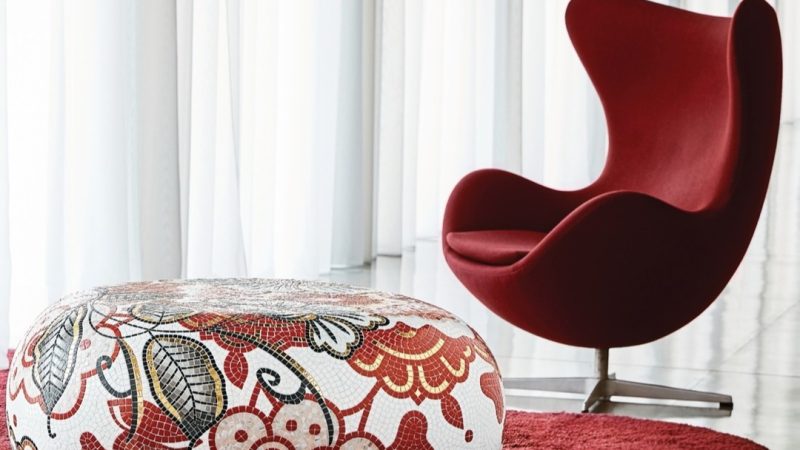
The kitchen’s material palette should also connect with the wider outdoor setting. A porcelain counter that echoes a nearby wall can make the cooking area feel built-in, while stainless steel can sharpen a timber pergola or dark-painted cabinetry. For a more curated atmosphere, pair the worktop with lighting and furnishings that have sculptural presence; a sculptural floor object can inspire the same sense of visual weight and purposeful form in the surrounding design.
Plan For Cleaning And Long-Term Care
Even the most resistant surface needs a sensible cleaning routine. Remove grease before it bakes onto the counter, rinse away salt and chlorine residue, and avoid abrasive powders that can dull polished finishes. Mild soap, warm water, and a soft cloth are sufficient for most porcelain, sintered stone, stainless steel, and sealed stone surfaces.
Natural stone and concrete may need resealing according to exposure and use rather than an arbitrary annual schedule. The supplier should identify the correct product and explain how to test whether protection remains effective. Never assume that a sealer makes a surface stain-proof or eliminates the need to wipe spills, particularly wine, oil, citrus, and strongly colored sauces.
Maintenance also includes checking joints, caulk lines, appliance surrounds, and drainage points. Small failures around a sink or grill can allow water into cabinetry and supporting structures. In freezing regions, inspect for trapped moisture before winter and follow the appliance manufacturer’s guidance for seasonal shutdown.
A Practical Selection Checklist
Use these recommendations to narrow the material choice before requesting fabrication drawings:
- Confirm that the slab is specifically rated for exterior use and UV exposure, not simply marketed as stain resistant.
- Map the hottest areas around grills, burners, pizza ovens, and smokers, then coordinate clearances and heat shields.
- Choose a color and finish that limit glare, disguise everyday marks, and remain comfortable in the local climate.
- Ask how the material, sealer, grout, and edge profile will respond to freeze-thaw cycles, salt, chlorine, and humidity.
- Review support, expansion joints, drainage, cutouts, and overhang reinforcement with an experienced outdoor-kitchen fabricator.
Make The Surface Part Of The Architecture
A successful outdoor kitchen does not treat the countertop as an interchangeable cover. Its thickness, edge, texture, and relationship to cabinetry determine whether the installation feels like a permanent architectural element or a collection of appliances placed on a terrace. The most convincing projects use the worktop to connect cooking, dining, planting, and circulation.
For maximum exposure and minimal maintenance, porcelain and sintered stone are strong starting points. Granite brings natural character and reliable heat performance, while stainless steel suits a professional cooking environment. Concrete and tile can be equally compelling when their weathering, sealing, and installation requirements are accepted from the beginning.
Select the surface with the climate, appliance plan, and broader design concept in view, then insist on exterior-rated specifications and precise fabrication. A well-chosen countertop will keep its color, tolerate demanding cooking conditions, and allow the outdoor kitchen to age as gracefully as the architecture around it.