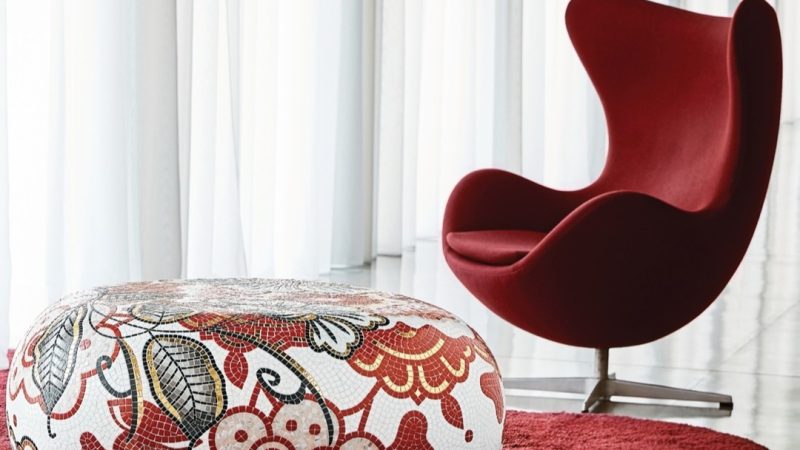
Marble inlay and the art of contemporary side tables
Marble inlay turns a practical side table into a small study in pattern, proportion and touch. The craft of marble inlay in contemporary side tables combines geological beauty with exacting joinery: narrow veins become lines, contrasting stones form a composition, and the finished surface appears continuous even when it is assembled from many pieces.
Modern makers use this ancient idea in restrained ways. A single vein may cross a pale stone top, a geometric frame may soften a severe pedestal, or a miniature landscape may sit within a dark border. The result can be architectural, graphic or quietly luxurious, depending on how the stone is selected and worked.
Interest is growing among Australian collectors because these pieces offer individuality without abandoning everyday function. They can sit beside a sofa, hold a lamp and books, or define a small terrace nook. Their appeal lies in the balance between visible handwork and a clean, usable silhouette.
Stone inlay approaches compared
Several techniques allow makers to approach marble inlay differently, and the choice affects both appearance and longevity. Pattern, fabrication method and intended use all shape the finished piece.
| Inlay method |
Visual effect |
Making process |
Practical watch point |
| Stone marquetry |
Detailed images, geometric motifs or bookmatched landscapes |
Slivers and shaped pieces are fitted into a recessed stone or composite base |
Numerous joints require careful sealing and specialist repair |
| Vein-matched inlay |
Large-scale, continuous swirls through a slab |
Waterjet-cut pieces are matched to the natural pattern before edging |
A spectacular top may need extra handling and structural support |
| Tessera inlay |
Crisp borders and small repeating marks |
Hard-stone tesserae are set individually into a prepared substrate |
Intensive labour makes the base especially important |
| Applied dimensional inlay |
Raised relief and sculptural shadows |
Carved elements are bonded into recesses and polished |
Depth and weight require a sound fixing method |
The most persuasive inlay is rarely the most complicated. A carefully aligned vein across a simple square top can feel more confident than a crowded decorative composition. Waterjet cutting enables precise curves, while hand-cut marquetry retains the small variations associated with traditional craft.
Scale also matters. Fine tesserae can disappear across a large top, while a bold border becomes graphic on a compact pedestal. The material should therefore be considered as part of the furniture’s architecture rather than as surface decoration applied after construction.
The precision behind a flawless joint
A successful inlay begins with the slab. Veining, colour variation, fractures and natural movement determine where each section can be placed. Templates and calibrated cutting reduce waste, but the maker must still account for the character of the material rather than treating marble as a uniform sheet.
The substrate is equally important. Stone marquetry may sit in a stone base, cement composite or high-grade engineered panel, depending on weight and use. It must remain rigid, level and resistant to moisture. A sound foundation allows the polished upper layer to expand and contract with temperature changes without lifting at the edges.
After the pieces are fitted, the joints are ground flush and the surface is polished in progressively finer stages. This process can take several days because each grit level must be removed before the next is applied. The result should feel continuous under the hand, with no raised borders, hollow-looking seams or sudden changes in level.
Natural stone remains brittle despite its hard appearance. Fine edges, narrow veins and projecting corners need protection during installation. Experienced fabricators often assess delivery access, carry the top upright where possible and install large pieces with additional hands.
Form, function and contemporary character
Contemporary marble side tables draw on several familiar forms. Drum bases create a grounded silhouette, narrow pedestals lighten the profile, and slab tops can appear to float above timber or metal frames. Stacked plinths add architectural weight without relying on the traditional four legs of a conventional occasional table.
Compact urban homes in Sydney and Melbourne have encouraged designers to work within modest footprints. A side table around 350 to 450 millimetres wide can fit beside a compact sofa without obstructing a walkway. Apartment dwellers may also favour nesting versions that disappear beneath a larger surface when entertaining.
Height should be chosen around its function. A low piece beside a lounge chair suits books and drinks, while a taller surface can support a lamp beside a standard sofa. In stone, proportion can be deceptive: a visually slender base may conceal considerable weight, and a narrow top may offer less usable space than its outline suggests.
Materials can either sharpen or soften the inlay. Blackened steel gives it an industrial edge, warm timber creates contrast, and brass introduces a reflective accent. For a quieter interior, one pale stone against another may be enough, allowing the pattern to come from alignment and craftsmanship.
Marble in Australian homes and outdoor spaces
Australian conditions place particular demands on stone furniture. Strong UV can yellow some sealers and resins used around inlays, while coastal salt in Sydney and Brisbane can leave white deposits on metal fixings and porous joints. Melbourne’s sharp seasonal temperature changes also make stable substrates and flexible fixings valuable.
Summer gatherings make side tables particularly useful near an outdoor lounge, barbecue or apartment balcony. They provide a level surface for glasses, plates and alfresco meals, usually within easy reach of the seating. Marble’s cool surface is comfortable in warm weather, although its porous veins can react with acidic food and drink.
Wine, citrus, tomato sauce and vinegar-based dressings may etch a honed or polished finish. A covered patio offers more protection than a fully exposed position, especially where the stone is joined to resin or timber. Outdoor furniture should also be checked for adequate weight so strong coastal winds do not create a tipping risk.
Under the Australian Consumer Law, goods must be reasonably fit for their disclosed purpose and free from defects. Freestanding furniture generally falls outside the National Construction Code, although a built-in or fixed installation may involve additional building requirements. Load claims, stability warnings and care instructions should therefore be clear and supported by the actual construction.
Local stone, makers and sustainable choices
Australia has an active network of stone yards, cabinet makers, upholsterers and small furniture studios serving customers in Sydney, Melbourne, Brisbane and other cities. These workshops can draw on imported marble, local stone and slabs selected for a particular design. Custom sizing is useful where a room has awkward angles or an existing sofa has an unusual clearance.
Offcuts from kitchen and bathroom projects provide another valuable resource. Larger fragments can become plinths, borders or bookmatched panels, while narrow strips suit graphic inlay. Using remnants extends the life of expensive material and can support local fabricators, although each piece must be checked for stable veining, sound edges and suitable thickness.
Collaborations between furniture makers, architects and interior designers have broadened the market for stone beyond kitchen benchtops. Hospitality projects often provide an opportunity to develop bespoke side tables with integrated charging, storage or concealed handles. Residential commissions can adapt the same detailing to a smaller budget or a more compact room.
Stone merchants and cabinet workshops across Australia are useful starting points for comparing materials. A physical sample reveals colour and movement more accurately than a small photograph, while a full slab lets the designer study how its pattern will flow across the top.
Bring a crafted side table home
A well-made marble side table should arrive with clear information about the stone, substrate, dimensions, weight and recommended care. Buyers should also ask how the piece will be delivered, whether installation is included and what support is available if a joint or polished edge is damaged.
Measuring the intended position before choosing the design prevents expensive surprises. Consider the route from the entrance, the clearance beside the sofa and the amount of surface needed for everyday objects. A local maker can adjust the height, base or inlay pattern to suit the room and the way it will be used.
Visit a stone workshop or furniture showroom, see the materials in Australian daylight and compare the character of each finish. Then choose a marble inlay side table whose pattern, scale and craftsmanship complement the space, ready to become a distinctive and useful part of everyday life.