Hand-Blown Glass Pendant Lights for Entryways
A pendant suspended near the front door gives an entryway an immediate focal point. Hand-blown glass adds a layer of individuality through subtle variations in shape, colour and texture that rarely appear in mass-produced lighting. The result can feel sculptural even before the light is switched on.
Alongside its visual character, a pendant must work hard. It may need to illuminate keys, a console or artwork, welcome visitors without creating glare, and fit comfortably within a compact Australian home. Clear, ribbed, tinted and opal glass each handle those demands differently.
The best choice balances ceiling height, available wiring, light output and the architecture surrounding it. A considered pendant can make the transition from outdoors to indoors feel warmer, while a poorly scaled fixture may dominate the entire room or leave the entrance dim and awkward.
Why the Entryway Pendant Matters
The entrance is often the first properly finished space visitors encounter. A hanging light can frame the front door, establish a focal point or visually connect the foyer with a living area. It also gives architects and homeowners a chance to introduce craft and texture without undertaking a major renovation.
Glass is particularly effective in this role because it interacts with both natural and artificial light. A clear shade can catch daylight and throw moving shadows across a wall, while a tinted or textured shade creates a more intimate atmosphere. Even a modest pendant can make a small space feel complete rather than unfinished.
Placement matters as much as appearance. Lights hung too high can seem detached from the entrance, while those positioned at eye level may obstruct conversation or reveal the wrong details. The ideal drop relates to the doorway, nearby furniture and the ceiling rather than to a single measurement.
Inside the Hand-Blown Process
To blow glass, a craftsperson heats glass until it becomes workable, gathers it on the end of a pipe and introduces air while rotating the pipe. Gravity stretches the molten form, while tools such as jacks, paddles and wooden blocks shape its profile. The piece is reheated as needed before being transferred to an annealing oven, where it cools slowly to reduce internal stress.
This process leaves a distinctive record of its making. Slight asymmetry, flowing striations, small bubbles and variations in wall thickness are common in quality artisan work. Two shades from the same maker may share a design language without being identical. Those differences become valuable features when the pendant is seen at different times of day.
Mass-produced glass can also be blown, but machine-assisted methods often create greater consistency at lower cost. Hand-finished examples generally involve more individual shaping and a closer relationship between maker and object. Collections and artist studios, including Maks Art glasswork, offer useful reference points for judging these characteristics and understanding the value of small-batch production.
Getting the Scale Right
Begin by measuring the ceiling, the width of the entrance and the positions of doors, windows and existing fittings. The pendant’s lowest point should usually sit around eye level or slightly above it, allowing people to move beneath it without feeling that it is in the way. A narrow hallway may need a compact shade, whereas a double-height terrace foyer can support a generous drop.
| Pendant character |
Light behaviour |
Entryway effect |
Practical consideration |
| Clear open bell |
Bright, sparkling light with sharp reflections |
Highlights keys, artwork and metal details |
Can create glare and shows dust readily |
| Ribbed or fluted glass |
Breaks light into patterned highlights |
Adds texture and visual depth |
Direction helps soften reflections |
| Smoked glass |
Reduces glare and creates a warm, moodier glow |
Suits layered neutral interiors |
May require more lumens for useful brightness |
| Opal or frosted glass |
Diffuses the source into an even wash |
Clean, calm and easy to live beside |
Offers less sparkle than clear glass |
| Coloured glass |
Adds a coloured accent around the room |
Brings personality to a plain entrance |
Works best as a secondary light |
| Cluster of glass forms |
Produces a strong sculptural presence |
Suits larger foyers and open stairwells |
Requires secure fixing and adequate ceiling height |
Measurements should include the canopy, suspension and shade, not just the glass. Allow space to open the front door and walk through with luggage. Checking the swing of nearby doors can prevent an otherwise beautiful fitting from becoming an everyday frustration.
Designing the Light
A sculptural shade should not be judged only by its daylight appearance. The lamp inside determines whether the pendant feels welcoming, harsh or visually flat. Dimmable LED modules are usually the most practical option because they allow one fitting to move from an ambient glow to a brighter welcome light.
For a compact foyer, a combined output of roughly 300 to 600 lumens can be sufficient, although larger or darker entrances may need more. A warm-white colour temperature between 2700K and 3000K complements timber floors, warm walls and brushed metal finishes. A high colour-rendering index is useful when the pendant sits near artwork, coloured objects or natural stone.
Quality drivers are as important as the LED itself. Cheap fittings may flicker, buzz or fail to dim smoothly, particularly when paired with an incompatible switch. Australian installations normally use 230–240V, 50Hz power, and the fitting, lamp and dimmer should all be compatible. Electricians can also confirm whether an existing location has adequate ceiling wiring and suitable fixing for the weight of a glass shade.
Form, Finish and Architectural Style
The shape of a glass pendant should respond to the building around it. Rounded, organic forms complement courtyards, coastal houses and relaxed contemporary interiors, while precise cylindrical or conical shapes suit galleries and formal entrance halls. Clusters create a stronger centre of gravity, making them effective in double-height spaces or above a broad stair landing.
Finish also changes how the light reads. Clear glass brings crisp reflections and can make a small foyer feel brighter. Smoked glass reduces visual sharpness and adds atmosphere beside pale timber or stone. Coloured glass should usually be used with restraint, particularly where the entrance already contains artwork, patterned tiles or a strong colour scheme.
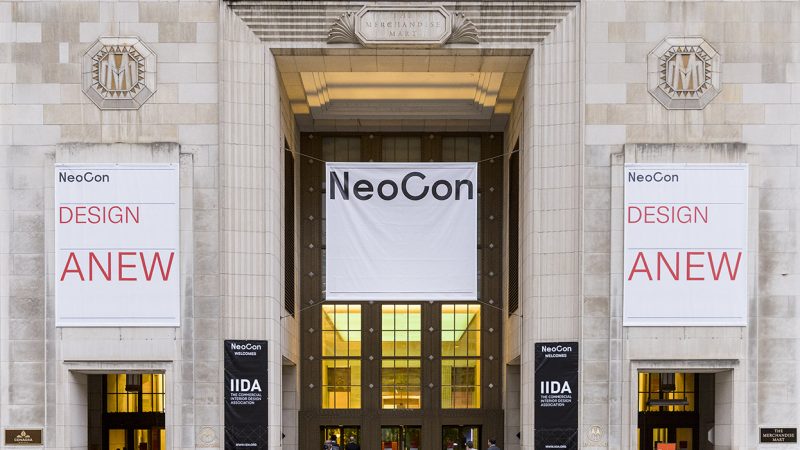
International exhibitions such as Salone del Mobile, Maison & Objet and NeoCon regularly reveal new approaches to decorative lighting, but the most successful designs still suit everyday use. Their makers often explore the tension between sculpture and function: exaggerated silhouettes, irregular textures or theatrical clusters are balanced by carefully integrated light sources and simple suspension systems.
Australian Homes, Climate and Market
Australian terrace homes and apartments often place the entrance near the front door, leaving little room for a substantial chandelier. Sydney terraces may have narrow stair halls or high ceilings above the stair, while Melbourne apartments frequently have compact, centrally located foyers. These conditions reward pendants that make a strong impression with a modest footprint. A single well-proportioned shade can look more generous than several small fittings crowded together.
Local language also shapes how the fixture is discussed. In everyday Australian speech, it may be called a hanging light, pendant lamp or glass light over the front entrance. This practical phrasing reflects a broader preference for items that work hard and age well. The glass should complement the home’s materials rather than create a decorative feature that feels temporary after the first season.
Sunlight is strong in many parts of Australia, particularly in west-facing and northern entrances. UV-resistant fittings and appropriate glass types reduce deterioration, while coastal properties may also benefit from hardware designed to resist salt-laden air. Most pendants are installed indoors, but ventilation, dust and insects can still affect clear shades, making routine cleaning important.
The Australian design market offers choices through independent lighting studios, major home-furnishing retailers, online suppliers and local makers. Melbourne and Sydney showrooms provide the chance to compare scale and glass finishes in person, while trade events such as Melbourne Design Week introduce regional products and emerging designers. Local electricians and lighting suppliers are also valuable when a project involves unusual weights, dimming systems or an older ceiling installation.
Make the Entrance Unforgettable
Start with the architecture, then narrow the choice through samples. Record the ceiling height, measure the intended drop, identify the wiring and decide how much light the entrance genuinely needs. Viewing a pendant in the room’s daytime and evening conditions will reveal details that product photographs often conceal.
For a one-off feature, a hand-blown piece brings individuality that ready-made alternatives struggle to match. For a larger project, consider the relationship between the pendant, door hardware, flooring and furniture. The fitting can remain the focal point without making the entrance feel disconnected from the rooms beyond it.
Visit a showroom or lighting studio, feel the glass and compare finishes under electric light, then confirm the suspension, lamp and dimmer with a qualified supplier or electrician. Choose the piece that gives the front entrance the presence it deserves while welcoming everyday life with the right balance of light, proportion and craftsmanship.