Why brushed brass is redefining the minimalist kitchen
The minimalist kitchen has long been associated with crisp white cabinetry, pale oak, concealed appliances, and fixtures reduced to simple geometric forms. Within that restrained setting, matte black faucets became an easy signature: graphic, architectural, and sharp enough to make a quiet room feel considered.
Now a softer metal is moving into the spotlight. Brushed brass brings warmth, variation, and a subtle sense of tactility without abandoning the clean lines that define contemporary kitchen design. Its rise reflects a wider change in interiors, where minimalism is becoming less about visual austerity and more about carefully edited material choices.
The shift is visible across residential projects, hospitality interiors, furniture collections, and international design fairs. Designers are pairing aged or satin brass with stone, timber, ceramic, and colored cabinetry to create kitchens that feel calm yet lived-in. The result is a palette with more depth, while the underlying discipline remains intact.
Why the quiet shift matters
Matte black hardware became popular because it offered immediate contrast. Against white cabinets or a pale backsplash, a black kitchen tap functions almost like a line drawing, outlining the sink zone and adding a strong visual punctuation mark. It also works comfortably with industrial, Scandinavian, and modern farmhouse styles.
Its strength can eventually become its limitation. When black appears across cabinet pulls, lighting, appliances, window frames, and plumbing fixtures, the room may feel overly coordinated. The contrast that once looked distinctive becomes a repeated graphic device, especially in open-plan homes where the kitchen is visible from every angle.
Brushed brass answers this fatigue with a more nuanced presence. Its low-sheen surface catches daylight differently throughout the day, while small variations in tone prevent the fixture from looking flat. Rather than framing the kitchen in black, it introduces a warmer visual rhythm that connects the room to adjacent living spaces.
This matters as kitchens become more residential in character. Designers are concealing extraction systems, integrating refrigeration behind cabinetry, and using furniture-like islands in place of traditional workstations. A brass faucet supports that softer direction by looking closer to a crafted furnishing than a technical component.
A warmer interpretation of minimalism
Minimalism has never required a room to be cold. Its most successful interiors rely on proportion, negative space, and a limited number of materials, yet those materials can still be tactile and expressive. Brushed brass fits this interpretation because it adds sensory richness without demanding ornament.
The finish is especially effective beside natural surfaces. Veined marble, honed limestone, travertine, walnut, and rift-cut oak all benefit from its muted golden tone. Even when the kitchen is built from a single color, a brass mixer can create a visual connection between cabinetry, worktop, and dining furniture.
This approach reflects the broader movement toward material-led interiors. A space may contain fewer objects, but each selected element carries greater responsibility. The faucet is no longer treated as a minor functional purchase; it becomes part of the composition, alongside pendant lights, stools, handles, and the edge detail of the countertop.
The same logic can be seen in workplace design, where natural materials and warmer tones are being used to make shared environments feel more restorative. Research into biophilic office design helps explain why wood, mineral surfaces, and organic color ranges have become so influential beyond the home. Brass belongs to that family of welcoming, tactile details.
What brushed brass changes in a kitchen
A brushed brass faucet changes the visual temperature of a minimalist kitchen almost immediately. It can soften a stark white scheme, enrich green or blue cabinetry, and give a dark kitchen a more layered character. Because the surface is brushed rather than highly polished, it usually avoids the theatrical quality associated with traditional gold fixtures.
The distinction between brushed brass, satin brass, unlacquered brass, and aged brass is important. Brushed brass generally has a controlled, linear texture and a consistent appearance. Satin brass is often smoother and more uniform. Unlacquered brass changes over time as it oxidizes, developing a patina that records use. Aged brass is treated to appear darker or more weathered from the beginning.
Each option communicates a different design intention. A clean brushed finish suits a precise contemporary kitchen, while unlacquered brass works well where natural aging is part of the aesthetic. A darker aged finish can bridge modern cabinetry and traditional architectural details, particularly in kitchens with framed doors, paneled walls, or antique-inspired lighting.
The faucet’s silhouette remains just as important as its color. A restrained gooseneck, a squared professional mixer, or a wall-mounted spout will create different visual effects. The most convincing schemes match the warmth of the finish with the room’s geometry rather than relying on brass alone to provide personality.
How the finishes compare
The right metal depends on the atmosphere, maintenance expectations, and surrounding materials. A finish should support the kitchen’s architecture rather than compete with it. The comparison below offers a practical starting point for evaluating the main options.
| Finish |
Visual character |
Best paired with |
Maintenance profile |
| Matte black |
Graphic, crisp, architectural |
White surfaces, concrete, pale oak |
Shows limescale and fingerprints readily |
| Brushed brass |
Warm, quiet, tactile |
Stone, timber, colored cabinetry |
More forgiving than polished metal |
| Satin brass |
Smooth, refined, softly luminous |
Contemporary joinery and marble |
Needs gentle cleaning to preserve consistency |
| Unlacquered brass |
Living, evolving, patinated |
Classic kitchens and natural materials |
Develops marks and color changes over time |
| Polished chrome |
Bright, precise, reflective |
Compact or highly functional kitchens |
Easy to coordinate, but can feel clinical |
| Brushed stainless steel |
Neutral, technical, durable |
Professional and industrial kitchens |
Practical and resilient, with a cooler tone |
Brushed brass sits between statement hardware and background detail. It is visible enough to anchor the sink area, yet its softened reflection prevents it from dominating the room. That balance makes it appealing for open-plan interiors where the kitchen needs to relate to dining and lounge furniture.
It also offers greater flexibility than many homeowners expect. A brass tap does not require every other metal in the room to match exactly. Mixed-metal schemes can feel intentional when the finishes are distributed with care—for example, brass at the sink, black on a linear pendant, and stainless steel reserved for appliances.
How to specify brass with discipline
The most successful applications treat brass as a controlled accent rather than a theme. Repetition helps, but exact matching is unnecessary. A cabinet pull, shelf bracket, or small light fitting can echo the faucet, while larger elements such as appliances remain neutral.
- Choose brushed or satin surfaces when the kitchen needs warmth without high shine.
- Test finish samples beside the worktop, cabinet color, and backsplash under natural and artificial light.
- Repeat the brass tone in two or three modest details instead of using it on every visible fitting.
- Confirm cleaning instructions, especially when selecting unlacquered or living brass.
- Let the faucet silhouette remain simple so the material provides the visual interest.
Scale deserves equal attention. A large professional-style mixer may overwhelm a compact island sink, while a delicate wall-mounted tap can disappear against a heavily veined slab. The fixture should be proportionate to the basin, countertop depth, and overall height of the cabinetry.
Designers are also considering how brass interacts with water marks and daily use. Brushed surfaces disguise minor traces more effectively than mirror finishes, but they still benefit from regular wiping with a soft cloth. Harsh abrasives and acidic cleaners can damage protective coatings and create uneven patches.
Where the trend is heading
The move toward brushed brass is part of a larger rejection of rigidly uniform interiors. Current kitchen design favors tonal variation, visible texture, and objects that gain character through use. That does not mean every room needs a patinated faucet or an eclectic mix of metals; it means the specification process is becoming more sensitive to atmosphere.
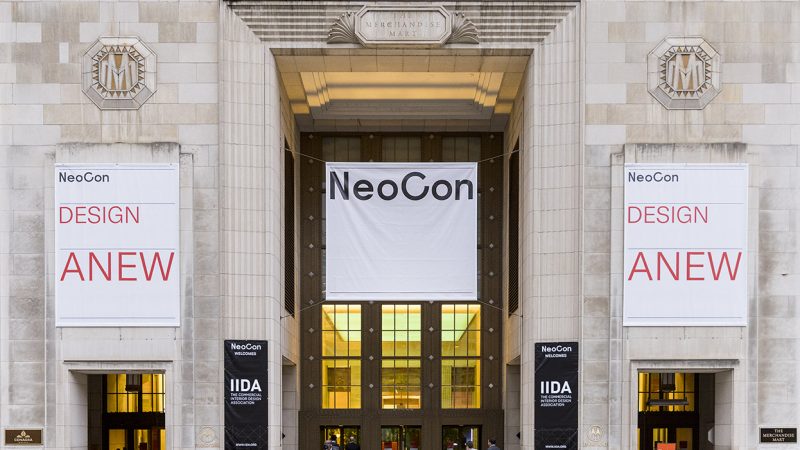
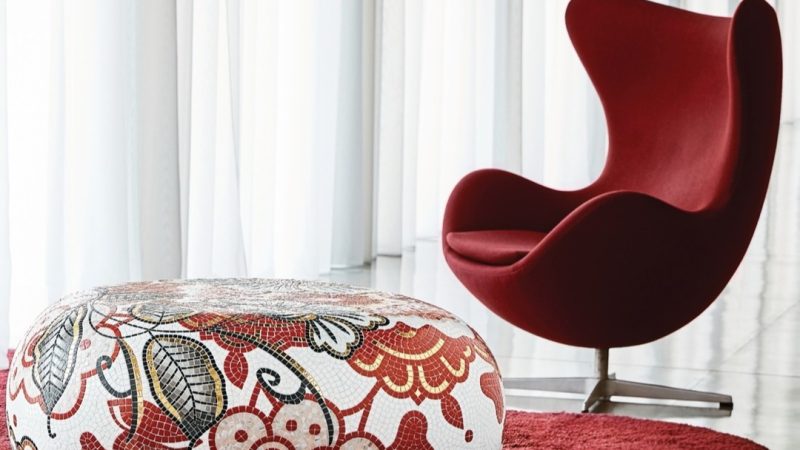
At furniture and interiors showcases, this sensibility appears in softly rounded forms, earthy colors, and finishes that reveal how products are made. Kitchen hardware follows the same direction. Handles are more sculptural, sinks are offered in darker ceramics and natural stone, and taps are designed as recognizable pieces rather than anonymous plumbing.
Brass also connects the kitchen to heritage architecture. In renovated apartments, period homes, and hospitality projects, it can sit comfortably beside timber paneling, terrazzo, handmade tile, or restored stone. This ability to bridge old and new gives it an advantage over finishes that communicate a single design language too strongly.
The trend will likely mature through variation rather than disappear. Some kitchens will use pale champagne brass, others will favor deep bronze or naturally aging surfaces. The lasting idea is the move toward warmer, less predictable metalwork that gives minimalist spaces a more human scale.
Make the material choice deliberate
Replacing a matte black faucet with brushed brass is not simply a color swap. It changes how the sink area relates to light, cabinetry, worktops, and the rooms around it. Brass can make a strict monochrome kitchen feel more welcoming, or it can add a quiet note of luxury to a scheme already rich in stone and wood.
The best result comes from treating the faucet as part of the architecture. Consider its profile from the dining area, how its finish responds to daylight, and whether its warmth appears elsewhere in the room. A carefully chosen brass fixture can provide the small amount of contrast a minimalist kitchen needs without disturbing its sense of order.
For a renovation, showroom update, or new furniture collection, this is an opportunity to move beyond fixed formulas. Specify the finish with the same care given to the countertop edge or cabinet door, then let its texture and patina develop naturally through everyday use. Explore brushed brass options with a clear sense of proportion, and allow the kitchen’s materials to tell a warmer, more enduring story.