Brass is back: a warmer direction for Australian bathrooms
The return of brass fixtures in contemporary bathrooms is less a nostalgic revival than a response to rooms dominated by white tile, cool grey and polished chrome. Designers are using brass to add warmth, tactility and gentle variation through mixer taps, basin spouts, shower fittings and towel rails. Its golden tone can make a compact powder room feel richer without turning the scheme into a period piece.
Brass also ages in a way that suits the current appetite for materials that record use. Unlacquered versions gradually deepen from bright gold to a mellow brown-gold patina, while brushed and lacquered finishes offer a more controlled result. That range lets brass fit both carefully composed homes and bathrooms expected to be used, scrubbed and lived in rather than preserved like a showroom display.
For Australian households, this global shift meets bathrooms shaped by climate, council water conditions and a practical renovation culture. Sydney’s coastal homes, Melbourne’s compact terraces, Brisbane’s humid summers and Perth’s dry light each change how metal is seen over time. Local preferences for clean lines, generous storage and durable splashbacks make brass most convincing when it supports everyday routines.
The strongest schemes repeat one brass finish, contrast it with neighbouring materials and give the metal room to register. Pale oak, travertine, deep green tile and charcoal cabinetry all respond differently to its colour. The result can be warm and tactile while remaining crisp, functional and recognisably contemporary.
Brass moves beyond the retro bathroom
The renewed interest in brass spans practical fittings and smaller details: basin mixers, exposed shower pipework, vanity legs, mirror surrounds, cabinet pulls and towel rails. A wall-mounted spout or slim rain shower can carry the material in a crisp architectural form, while a traditional mixer with cross handles offers a clearer nod to the past.
Colour is only part of the attraction. Brass reflects light warmly against white surfaces and stands apart from the cooler finish of chrome or the graphic effect of matte black. In a room built around large-format porcelain, a few golden elements prevent the palette from feeling anonymous without adding another hard, busy pattern.
Patina gives brass a different relationship with time. Rather than demanding a spotless appearance, an unlacquered fitting can collect the evidence of water, soap and daily handling. Owners who enjoy that evolution can specify it deliberately and accept the care routine; anyone wanting consistency should choose a protected or brushed surface.
Modern brass works through contrast and touch
Contemporary brass fittings do not need ornate detailing. Australian bathrooms often favour single-lever mixers, streamlined basins, frameless mirrors and tidy wall surfaces, so examples with geometric bodies, concealed controls and restrained handles fit neatly into that language. The warmth comes from the metal itself, not applied decoration.
Lighting matters just as much as profile. A polished mixer will pick up bright highlights and nearby colours; a brushed finish diffuses reflections and makes small fingerprints less obvious. Satin brass sits comfortably between the two, while unlacquered and pre-aged options bring visible texture and tonal depth.
The most useful coordination is material-based rather than matching every metallic object to one catalogue finish. Brass can share a room with blackened steel, bronze or brushed nickel when shapes and values are deliberate. Against warm timber and creamy stone it reads softer; against blue-grey tile and white surfaces it becomes a sharper accent.
Global trends meet local renovation realities
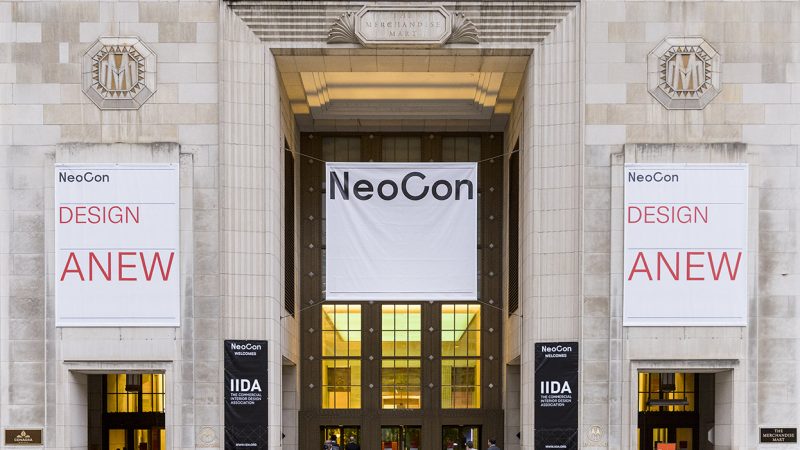
These ideas have travelled through international programmes such as Salone del Mobile, Maison & Objet and NeoCon, where new bathroom and hospitality collections repeatedly place warm metal beside timber, textured stone and deep colour. The international mood is clear, but the most successful Australian projects translate it through local proportions, existing architecture and how the room is actually used.
Many Australian renovations happen in established brick homes, apartments and new townhouses with very different plumbing layouts. A freestanding basin may suit a generous bathroom, while a compact vanity and wall-mounted mixer can work better in a terrace. Retrofit projects also need to respect ceiling heights, service zones and the location of existing water lines.
National bathroom retailers and independent studios carry increasing numbers of brass tapware collections, making it easier to compare polished, satin and patinated options in person. The local showroom conversation is often practical: Will the finish look too yellow beside a warm splashback? Are replacement cartridges available? Will imported fittings suit Australian tap threads and connections?
Climate and water decide how brass ages
Unlacquered brass reacts to the mineral content, chlorine and temperature of tap water. Across Australia, supply profiles vary between council areas, so the rate of patina will not be identical from one home to the next. Harder water can leave more visible spotting, and chlorinated water can accelerate colour change. A soft brown-gold patina is expected; pitting, green corrosion or damp-looking patches are not.
Climate also changes the surrounding context. Salt-laden air near Sydney’s coast can contribute to residue on surfaces when windows remain open, Brisbane’s humidity and condensation call for effective ventilation and sound seals, and Melbourne’s cooler rooms make warm metal especially inviting. Perth’s dry air and strong daylight can reveal every fingerprint on a highly polished fitting. These are maintenance realities, not reasons to avoid brass.
Specify the product for the actual wet zone, especially in a covered outdoor bathroom. Check Watermark certification where required, Australian dimensions, thread and hose compatibility, and the availability of replacement parts. A licensed plumber should confirm pressure, connections and splashback sealing, while the finish supplier’s care instructions determine which cleaners are safe.
Plan the palette and the purchase
A useful rule is to choose the brass moment before choosing the brass finish. Decide whether it will appear in the basin mixer and shower set, or as smaller touches around the vanity and mirror. Repeating a finish in two or three visible places creates cohesion; mixing five slightly different golds at once makes quality harder to judge.
Take samples or detailed finish photographs to the room rather than judging a small fitting under showroom lighting. Daylight, LED strips and evening lamps can all shift the colour of brass. The trick is to let the chosen metal sit beside the actual tile, timber and paint before the order is placed.
Design decisions
- Pick one dominant finish and repeat it in the key visible fittings rather than combining unrelated gold tones.
- Balance the metal with a clear material palette, such as oak, travertine, warm white, deep green or charcoal.
- Reserve unlacquered pieces for tactile roles when you want character that evolves over time.
Purchase and installation
- Compare the sample under daylight and check how the supplier intends marks, water spots and patina to develop.
- Confirm Watermark certification where required, Australian dimensions, warranty terms and replacement-part availability.
- Have a licensed plumber check connections, pressure, shower performance and sealing around the splashback.
Compare finishes before you commit
Finish changes the character more than shape, and the right choice depends on how much variation you want to manage. Polished brass is crisp and reflective, brushed brass is quieter, and living finishes gain depth as the bathroom is used.
| Finish |
Visual character |
Care and ageing |
Best suited to |
| Polished brass |
Bright, reflective and glamorous |
Shows fingerprints and water spots; wipe dry and avoid abrasives |
Classic rooms where the mixer or basin spout is a focal point |
| Brushed or satin brass |
Soft sheen with a fine directional grain |
Hides minor marks; clean gently with mild soap |
Minimal bathrooms and homes wanting a lower-maintenance sheen |
| Unlacquered brass |
Golden colour that develops a brown-gold patina |
Changes with water, soap and handling; avoid acids and harsh chemicals |
Eclectic, lived-in rooms that value character and evolution |
| Lacquered brass |
Even colour with a sealed, protected surface |
More consistent, though solvents and abrasive pads can damage it |
Installations where colour consistency matters most |
| Pre-aged brass |
Muted, established patina from the outset |
May continue changing if unsealed; confirm treatment and care |
Warm schemes that do not want to wait for a natural patina |
Whichever option is chosen, use a soft cloth, mild soap and clean water, then dry the fitting. Avoid vinegar, bleach, scouring powders and metal polish unless the manufacturer specifically recommends them. Keeping soap residue and droplets away from brass preserves its clarity and limits the cleaning needed between professional services.
Give your bathroom a warmer point of view
Brass offers a rare combination of familiarity and difference. It can make a small Australian bathroom feel warmer, connect timber cabinetry to metal details and give a new renovation the character of a well-used home. The key is coherence: one finish, a controlled palette and fittings selected for the room’s water, climate and cleaning routine.
Follow Tony Cucco for more design news, then take the next practical step by visiting a specialist bathroom showroom with your tile, timber and paint samples. Ask to see each brass finish in daylight, take a sample home and have the layout checked by a licensed plumber. Bring home a bathroom with warmth you can see, use and maintain.