Art Deco details return to modern hotel lobbies
The revival of Art Deco details in modern hotel lobby design is less about recreating the 1920s than about giving arrival spaces a sharper identity. Geometry, rich materials and crafted furniture can make a hotel feel composed, memorable and closely connected to its setting. The strongest projects use the period’s confidence without turning the lobby into a theatrical set.
Today’s designers are drawing on the style’s graphic clarity while borrowing its warmth from later interpretations. This is a particularly useful lesson for hotels, where a lobby has to work as a social room, a circulation zone and a backdrop for photographs. A considered sunburst motif or fluted timber screen can offer all three, adding character without sacrificing comfort.
Why the decorative language is back
After years of pale timber, concealed storage and almost invisible detailing, hospitality interiors are rediscovering the pleasure of visible craft. A hotel has more opportunity than a home to create an atmosphere, and recent design briefs increasingly ask for spaces that guests will photograph and remember. Decorative features help an arrival experience feel authored rather than simply furnished.
Art Deco is especially effective because it combines bold form with disciplined repetition. Chevrons, fans, stepped profiles and radiating lines can guide the eye through a room, while symmetrical arrangements create a reassuring rhythm. These devices suit large entrance spaces, yet their usefulness extends to smaller reception zones and lounge settings.
That combination of drama and order reflects a wider appetite for layered design. People encounter plainness every day on screens and in mass-produced interiors; tactile surfaces and specific references offer welcome relief. The best examples do not simply add more objects. They edit the visual noise until one material, motif or piece of furniture can carry the idea.
Geometry with a welcoming edge
Art Deco becomes most recognisable when geometry functions as architecture rather than surface decoration. A fan-shaped brass screen can divide a foyer from a bar, stepped profiles can frame a doorway, and chevrons can run across a carpet or stone floor. The reference remains clear because each graphic decision has a purpose.
Scale is crucial. A small geometric pattern repeated across an entire wall can feel busy, while one enlarged sunburst above a reception desk becomes a focal point. Designers are also using curved doorways, ribbed wall panels and fluted screens to soften the rigid symmetry associated with the style. The result can feel ceremonial without becoming intimidating.
In a working lobby, ornament must respect movement and clear sightlines. Decorative screens can frame the bar, reception desk or lift bank without enclosing them. This gives each zone its own identity while preserving a coherent arrival sequence, from the street entrance through to the first lounge seat.
Materials that feel rich without becoming theatrical
Metal brings immediate glamour to an Art Deco interior. Brushed brass, bronze, blackened steel and glossy lacquer can frame mirrors, highlight counters and articulate large surfaces. Their reflective qualities also change throughout the day, giving a static lobby a subtle sense of movement.
Stone and timber provide the weight needed to balance all that shine. Veined marble around a reception desk can make the centrepiece feel substantial, while terrazzo floors can carry a geometric pattern more quietly. Timber adds warmth, preventing the decorative references from drifting towards a cold luxury aesthetic.
For Australian projects, material selection must account for intense sunlight, coastal air and hard summer light. UV-resistant lacquers, sealed stone and durable upholstery are practical necessities rather than aesthetic details. Perforated metal screens also have a particular resonance here, recalling the shaded verandahs that helped colonial and subtropical buildings manage the climate.
Local craft capability matters just as much. Australian joiners can produce fluted timber panels, curved counters and precisely fitted screens using local spotted gum, blackbutt or other cabinet timbers. A local upholsterer can translate a geometric pattern into a chair without making it look like a historical reproduction.
Furniture that carries the decorative theme
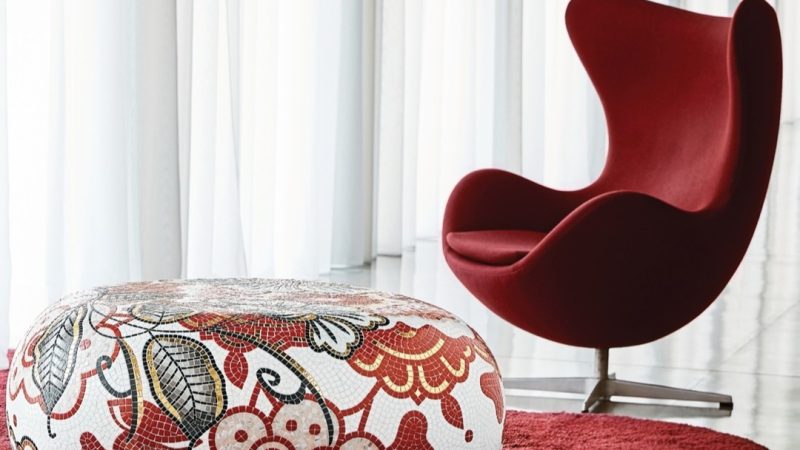
Furniture gives the decorative vocabulary a human scale. A reception desk with a scalloped edge, a console with stepped drawers or a lounge chair on a radiating base can carry the theme more convincingly than a patterned wall alone. These pieces create focal points and give the room a sense of occasion.
Melbourne’s established culture of furniture making and hospitality design provides a strong foundation for this approach. The restoration of QT Melbourne demonstrates how preserved Art Deco elements can coexist with contemporary fittings. Rather than replacing every historical surface, the project layers original character with furniture suited to modern use.
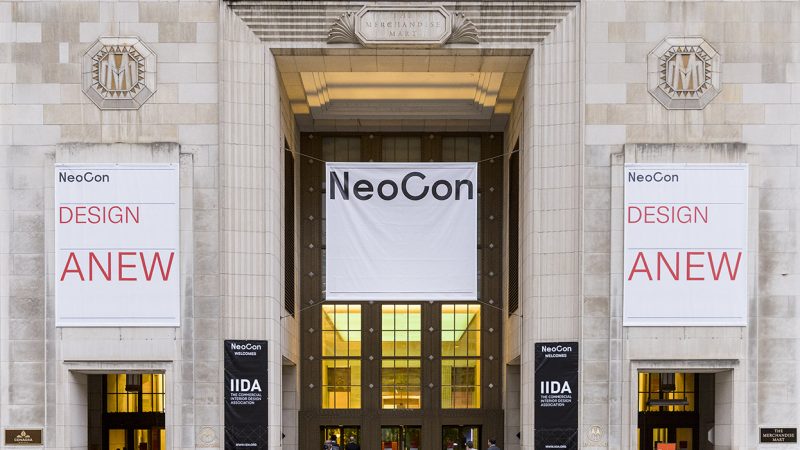
International developments are feeding the same interest. The emphasis on sculptural seating and expressive finishes seen at Salone del Mobile and Maison & Objet offers a useful reference for buyers and designers. At NeoCon, contract-focused collections similarly show how curved profiles and decorative surfaces can support practical hospitality layouts.
Lighting and atmosphere complete the arrival
Decorative lighting was central to Art Deco interiors, from opal glass pendants to geometric wall sconces. Contemporary hotels can use that vocabulary with greater flexibility. Warm light around 2200 to 2700 kelvin makes brass flattering, while carefully positioned wall lights can reveal timber grain and the shadows between fluted panels.
Daylight needs equal attention. In Australia, where sunlight can be harsh, lobby orientation and external shading will determine whether a space feels welcoming or exposed. Motorised blinds, layered curtains and controlled dimming allow the room to shift between daytime transparency and an evening glow. Warm light around the reception desk also gives arriving guests a clear point of focus.
The remaining atmosphere comes from texture, sound and scent. Velvet or bouclé upholstery softens hard stone, rugs absorb the echo of busy arrival spaces, and broad-leaf plants bring life to a formal setting. A restrained botanical scent can complete the mood. The objective is a space that feels composed and enveloping, never stuffy.
Making the style distinctly Australian
Sydney offers the most obvious connection to the revival. The Art Deco apartment buildings around Elizabeth Bay and Potts Point provide a rich local reference for stepped profiles, sunburst medallions, terrazzo and bronze lettering. A contemporary hotel lobby can borrow that graphic identity without resorting to literal period dressing.
Melbourne’s design culture and Perth’s limestone architecture suggest different routes. In Melbourne, the emphasis can fall on crafted furniture and layered hospitality spaces. In Perth, pale stone, filtered daylight and metal screens can respond to the city’s strong light. Both approaches show how the decorative language can suit contemporary Australian materials.
Brisbane introduces another set of possibilities. Subtropical gardens, shaded terraces and indoor-outdoor living encourage the revival to extend beyond the reception desk. Outdoor lounges can use terrazzo, sculptural planting and patterned metal screens to create a continuation of the lobby’s geometry. Many Australian hotels are also retaining existing terrazzo, timber and stonework during renovation, allowing the decorative story to include the building’s previous life.
Give arriving guests something to remember
Art Deco is most rewarding when it is experienced in person, where the relationship between lighting, texture, proportion and movement becomes clear. A lobby can contain many individual details without feeling crowded, provided each one contributes to a coherent idea.
Make your next hotel visit an occasion to explore the style. Book a stay in an Australian hotel with a strong arrival space, linger over a drink beneath its sculptural lights and look for the geometric references, crafted surfaces and thoughtful details that give the property its character.