Bio-based plastics are reshaping the ergonomic office chair
Office furniture is entering a period where comfort, material science and environmental accountability are being assessed together. The ergonomic chair, once judged largely by lumbar support and adjustability, is now also examined for its carbon footprint, repairability and end-of-life pathway.
Bio-based plastics have become part of that conversation. Made partly or entirely from renewable feedstocks such as castor beans, sugarcane, wood fibres or agricultural waste, these polymers can reduce dependence on fossil resources. Their environmental value, however, depends on how they are sourced, processed, used and recovered after a chair leaves the workplace.
For Australian buyers, the issue has a practical edge. A chair designed for a Melbourne studio may face different conditions from one used in a Brisbane co-working space, while procurement teams in Sydney increasingly request environmental product declarations, recycled content and recognised sustainability certifications. The material must perform across long working days, warm interiors and changing workplace layouts.
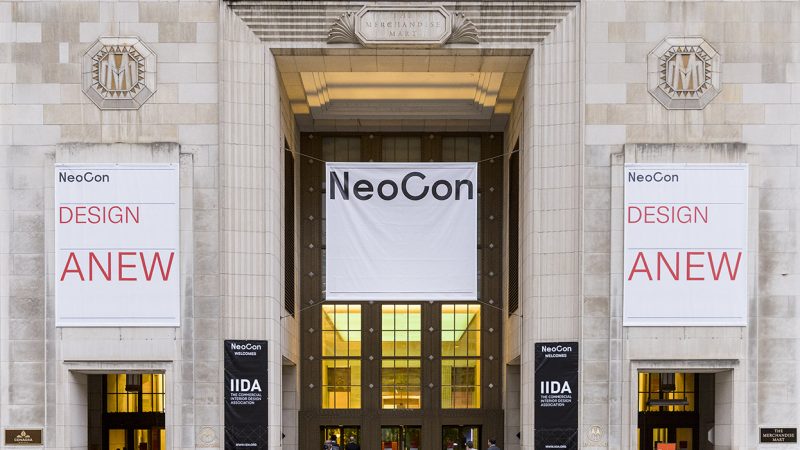
The best designs treat bio-based content as one part of a wider system. A responsible chair combines a supportive structure, breathable upholstery, replaceable components, efficient manufacturing and a credible plan for disassembly. That approach fits the broader design direction seen at Salone del Mobile, Maison & Objet and NeoCon, where circularity is increasingly presented alongside visual refinement.
| Material approach |
Ergonomic chair application |
Environmental strength |
Main consideration |
| Bio-based polyamide |
Seat frames, mechanisms and arm supports |
Can lower fossil-resource demand and deliver high strength |
Feedstock origin and certification need checking |
| Bio-based polyurethane |
Foam cushioning and flexible supports |
May incorporate renewable raw materials |
Comfort, emissions and durability vary by formulation |
| Recycled polypropylene |
Shells, bases and structural covers |
Uses existing plastic waste and supports repeat processing |
Recycled content can affect colour and consistency |
| Natural-fibre composite |
Back shells and rigid panels |
Adds plant fibres and can reduce polymer volume |
Moisture resistance and end-of-life separation matter |
| Conventional virgin plastic |
Many structural chair parts |
Familiar, consistent and widely available |
Higher reliance on fossil feedstocks and limited circularity |
What bio-based plastics actually mean
The term “bio-based” describes the origin of some or all of a polymer’s carbon, not what happens to it after disposal. A chair component can be bio-based and still be durable, recyclable and unsuitable for composting. It can also be labelled biodegradable while requiring a specialist industrial facility that is unavailable in many Australian regions.
This distinction matters when comparing office furniture. A bio-based nylon made from castor oil may have the same technical performance as a conventional nylon part, making it useful for a five-star mechanism or a flexible support element. A natural-fibre composite may lower material intensity, yet require careful design so fibres and resin do not become impossible to separate.
Manufacturers should publish the percentage of bio-based content, the polymer type and the relevant chain-of-custody information. Independent life-cycle assessments are more useful than broad claims about “green” materials. Buyers should also look for evidence on volatile organic compounds, abrasion, UV exposure and fatigue testing, particularly when chairs are specified for open-plan offices that remain in service for many years.
Comfort depends on the whole chair
Ergonomics begins with fit. A chair should accommodate different body sizes through seat-depth adjustment, responsive lumbar support, armrest movement, recline tension and a stable five-star base. Bio-based plastic does not automatically improve these functions; it simply changes the material story behind a component.
The most convincing products use renewable polymers where they can deliver reliable structural performance. A glass-fibre-reinforced bio-polyamide, for example, may work well in an arm-support bracket or back frame if its stiffness and fatigue resistance are properly engineered. Designers must avoid adding excessive material to compensate for uncertainty, since a heavier chair can erase some of the environmental benefit.
Surface behaviour is equally important in Australia. In a Brisbane workplace, a non-breathable seat surface can feel clammy during humid weather, while an office in Perth may place greater demands on resistance to dry heat and intense sunlight. Mesh backs, ventilated seat pans and low-temperature-touch finishes can improve comfort without relying on a dramatic increase in upholstery.
A chair should also support movement rather than lock the body into one posture. Flexible back shells, synchronised recline mechanisms and controlled resistance encourage small shifts throughout the day. This is where good industrial design becomes visible: the sustainable material must disappear into a chair that feels intuitive, quiet and stable.
Designing for repair and circular use
Material selection has limited value if a chair cannot be maintained. An office chair with a replaceable gas lift, castors, arm pads, seat cushion and mechanism can remain useful long after its original upholstery has worn. Clip-on or screw-fixed parts also make cleaning, refurbishment and fleet management easier for Australian dealers and facility teams.
Disassembly should be considered at the concept stage. A mono-material shell is generally simpler to process than a bonded assembly containing metal inserts, foam, adhesive and several incompatible plastics. Clear material markings help recyclers identify polymer families, while accessible fasteners prevent valuable components from being destroyed during separation.
This systems perspective is familiar in other areas of architecture and design. A building feature such as green roof thinking demonstrates how a visible design element can influence insulation, water management, biodiversity and maintenance at once. An ergonomic chair can work in a similar way when its material choices, servicing strategy and workplace life cycle are planned together.
End-of-use programmes remain uneven across Australia. A large corporate office in Sydney or Melbourne may have enough volume to arrange manufacturer take-back, while a small business in regional New South Wales may depend on a local furniture recycler or council transfer station. Brands that provide collection logistics and refurbishment guidance will have a stronger environmental proposition than brands that simply advertise renewable content.
How Australian workplaces can assess the claims
Australian commercial interiors often involve several decision-makers: the architect or interior designer, a workplace consultant, a dealer, a facilities manager and a procurement team. Each may prioritise something different. Design teams may focus on colour and visual consistency, while facilities teams need reliable warranties, replacement parts and predictable cleaning requirements.
Relevant documentation can include Global GreenTag certification, GECA certification, environmental product declarations and evidence of compliance with applicable Australian standards. These credentials do not replace a product assessment, but they help separate measurable performance from vague marketing language. Warranty length and service coverage are especially important when a chair is purchased for a large government, education or health project.
The local market also rewards practical adaptability. A chair that suits a compact Melbourne apartment-office, a hot Darwin workspace or a flexible co-working floor near Sydney’s Barangaroo precinct may need different upholstery, mesh tension and colour options. Designers should consider how materials age under air-conditioning cycles, cleaning routines and strong daylight, rather than evaluating a sample under showroom lighting alone.
Digital records can strengthen this process. Product passports, component diagrams and maintenance instructions make it easier to refurbish a fleet instead of replacing it. Even the preservation of design references benefits from dependable archival scanning tools, especially when studios maintain physical samples, colour cards and historic product documentation for long-term specification work.
Recommendations for responsible specification
A high-quality chair should be judged through performance, serviceability and transparent environmental information. The following checks help design studios, employers and furniture dealers make a more grounded decision:
- Confirm the percentage and source of bio-based content in every relevant component.
- Ask whether the polymer is recyclable, compostable, or simply bio-based, since these claims describe different outcomes.
- Review independent information on durability, emissions, fire performance, UV resistance and cleaning.
- Prefer chairs with replaceable cushions, castors, arm pads, gas lifts and mechanisms.
- Check whether the manufacturer offers take-back, refurbishment or recycling support in Australia.
- Match mesh, foam and upholstery choices to local climate conditions and the expected intensity of use.
- Request disassembly instructions and material markings before approving a large workplace order.
The most credible products will connect environmental ambition with everyday workplace realities. A chair should be comfortable at 4 pm, quiet during a video call, stable on Australian carpet tiles and straightforward to repair when a component fails. Its renewable polymer content is valuable, but it should reinforce those qualities rather than distract from them.
Bio-based plastics are likely to become more common in task chairs, visitor seating and collaborative furniture as polymer technology improves. Their role will be strongest when designers combine them with recycled content, modular construction and clear recovery pathways. That combination gives renewable materials a practical place within a longer, more responsible life cycle.
For studios, specifiers and workplace leaders, the next step is to compare complete chair systems rather than isolated material claims. Review samples, request technical documentation, test adjustment ranges with different users and ask suppliers how the product will be serviced locally. Thoughtful specification can turn a new material into a durable improvement for Australian workplaces.